Why Most Meal Preps Fail (And What Actually Works for Sustainable Healthy Eating)
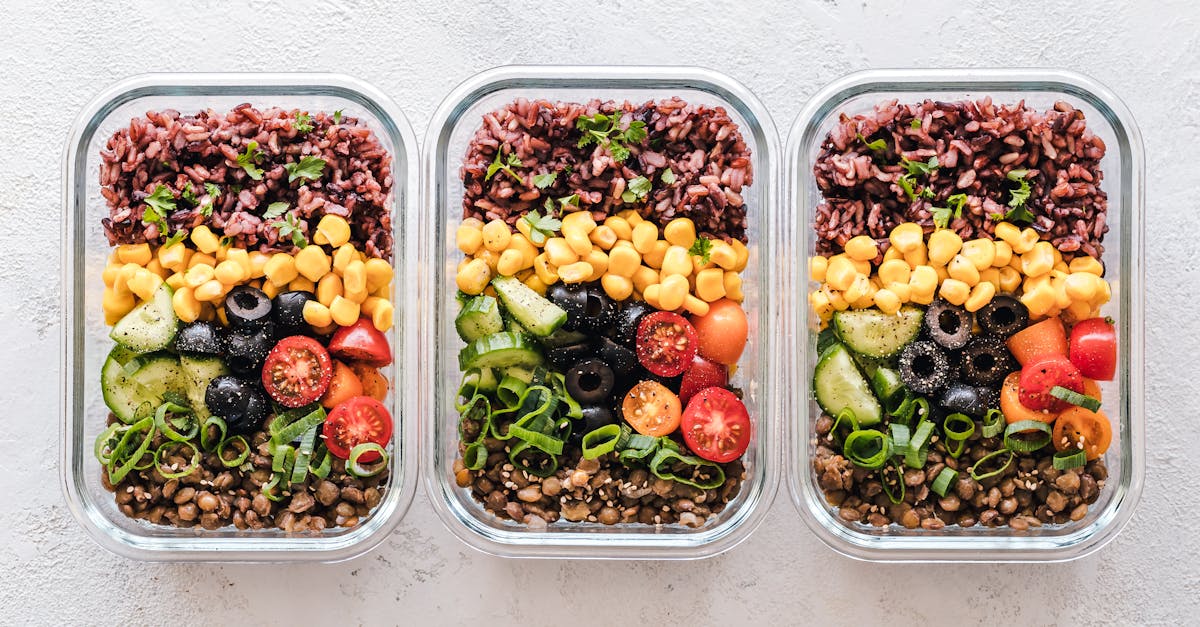
Discover why common meal prep strategies often fall short and learn practical, sustainable approaches that actually work for healthy eating without burnout. Authored by Sophia Rodriguez.
The week starts with good intentions. You’ve spent hours on Sunday chopping vegetables, cooking grains, and portioning out meals into neat containers, envisioning a week of effortless healthy eating. By Wednesday, however, those carefully curated meals start looking less appealing. By Friday, you’re either staring at a fridge full of forgotten, unappetizing prepped food, or you’ve given up entirely, resorting to takeout or convenience foods. Does this sound familiar? In my practice as a wellness expert, I’ve seen countless individuals struggle with the same cycle: enthusiastic meal prep followed by burnout, waste, and a return to old habits. The conventional wisdom around meal prep—cook everything for the entire week in one go—is a recipe for failure for most people, leading to food fatigue, lack of flexibility, and eventual abandonment.
The core issue isn’t a lack of discipline; it’s a fundamental misunderstanding of human psychology and the realities of daily life. We crave variety, our schedules are unpredictable, and our palates change. A rigid, monolithic meal plan designed for seven days straight rarely accommodates these natural fluctuations. What if I told you that the secret to sustainable healthy eating isn’t about prepping every single meal for the entire week, but rather about strategic, flexible preparation that respects your time, taste buds, and evolving needs? It’s about building a system that bends, not breaks, when life happens.
Key Takeaways
- The traditional ‘cook-everything-for-seven-days’ meal prep often leads to food fatigue and waste, not sustainable healthy eating.
- Focus on ‘component prepping’ by cooking versatile ingredients individually, allowing for daily meal customization and reducing monotony.
- Implement ‘mini-prep’ sessions on busy days, tackling just 1-2 items to keep momentum without overwhelming your schedule.
- Prioritize ‘flexible frameworks’ over rigid recipes, using a mental template of protein + carb + fat + vegetable to build varied meals quickly.
The Rigidity Trap: Why ‘Seven Days, One Menu’ Backfires
The most common mistake I observe is the ‘seven days, one menu’ approach. People decide they’re going to eat chicken and broccoli for lunch every day, or a specific stew for dinner all week. While this might seem efficient in theory, it quickly becomes a psychological burden. Imagine eating the exact same meal, with the exact same flavors and textures, five or seven times in a row. Our brains are wired for novelty and variety. Monotony sets in rapidly, leading to a phenomenon known as ‘sensory-specific satiety’ – even if you enjoy a food, you quickly tire of it if it’s all you eat. This isn’t a lack of willpower; it’s a natural biological response. I’ve seen clients, myself included, who start to dread mealtime because it feels like a chore, not an enjoyable experience. This dread is a direct path to reaching for convenience foods or ordering takeout, completely undermining the initial effort. Moreover, life rarely goes exactly according to plan. A last-minute dinner invitation, an unexpected change in appetite, or simply a craving for something different can derail a rigid plan, leading to feelings of failure and frustration. When one meal goes off-script, the entire week’s prep often feels invalidated, and the whole system collapses.
Component Prepping: The Art of Versatile Building Blocks
What changed everything for me and my clients was shifting from ‘meal prepping’ to ‘component prepping.’ Instead of assembling full meals, focus on cooking individual, versatile components that can be mixed and matched throughout the week. Think of it like having a well-stocked pantry, but for cooked food. On your designated prep day (it doesn’t have to be Sunday, by the way), cook a large batch of a few key items: a lean protein (grilled chicken breast, roasted chickpeas, hard-boiled eggs), a complex carbohydrate (quinoa, brown rice, roasted sweet potatoes), and a couple of different vegetables (steamed broccoli, sautéed bell peppers, a large salad mix). The power of this approach lies in its flexibility. Let’s say you’ve prepped grilled chicken, quinoa, and roasted asparagus. On Monday, you might combine them for a simple bowl. On Tuesday, you could shred some chicken, add it to a whole wheat tortilla with some prepped spinach and a dollop of salsa for a quick wrap. Wednesday, the leftover quinoa could become the base for a stir-fry with some fresh vegetables and a different sauce. This strategy not only prevents food boredom but also allows you to adapt to your cravings and schedule. In my own kitchen, I aim for at least two proteins, two complex carbs, and three different types of pre-cut or pre-cooked vegetables. This gives me literally dozens of meal combinations for the week without ever feeling like I’m eating the same thing.
The Power of ‘Mini-Preps’: Short Bursts, Big Impact
One of the biggest obstacles to traditional meal prep is the sheer time commitment. Dedicating 3-4 hours on a Sunday can feel daunting, especially after a busy week. The mistake I see most often is people thinking it has to be an all-or-nothing endeavor. This is where ‘mini-preps’ come in. Instead of one massive session, break it down. Maybe on Sunday, you only roast a big tray of vegetables. On Tuesday evening, while dinner is cooking, you hard-boil a dozen eggs or wash and chop salad greens for the next few days. The idea is to integrate small, manageable preparation tasks into your existing routine, rather than creating a separate, arduous chore. For instance, while my coffee brews in the morning, I might chop an onion and bell pepper for an evening stir-fry, or portion out nuts for a week’s worth of snacks. These 5-10 minute bursts of activity add up significantly, reducing the mental load and preventing that overwhelming feeling. This approach acknowledges that our lives are busy and that consistency, even in small doses, is far more effective than sporadic, Herculean efforts.
The ‘Flexible Framework’: Beyond Rigid Recipes
Many meal prep guides focus heavily on specific recipes. While recipes are great for learning new dishes, relying solely on them for a week’s worth of meals can limit creativity and make adherence difficult. What truly changed my approach was adopting a ‘flexible framework.’ Instead of specific recipes, I think in terms of macro categories: Protein + Complex Carb + Healthy Fat + Vegetable. With my prepped components, building a meal becomes incredibly simple. For example, if I have pre-cooked salmon, roasted sweet potatoes, and steamed green beans, I instantly have a meal. Want to change it up? Add a sprinkle of feta (fat) and a squeeze of lemon (flavor). On another day, I might combine pre-cooked lentils (protein/carb), leftover quinoa (carb), and a big handful of pre-washed spinach (vegetable) with a vinaigrette (fat). This framework removes the pressure of needing a specific recipe and instead empowers you to be the chef, intuitively combining ingredients based on what you have and what you feel like eating. It’s about understanding the basic building blocks of a balanced meal and then playing within those boundaries. This adaptability is key to long-term success, as it allows for spontaneous adjustments and prevents boredom.
Strategic Storage and Smart Seasoning: Maximizing Longevity and Flavor
Even with component prepping, proper storage and smart seasoning are critical to preventing food fatigue and spoilage. A common pitfall is seasoning all your components fully on prep day. While convenient, this locks in a flavor profile that can become tiresome. Instead, consider seasoning components minimally or neutrally. For example, roast chicken with just salt and pepper, or steam vegetables plain. Then, each day, you can add different sauces, herbs, spices, or condiments to completely transform the flavor profile. That plain chicken can become Mexican-inspired with salsa and cumin, or Mediterranean with a squeeze of lemon and oregano. This small shift dramatically increases the versatility and perceived freshness of your prepped food. As for storage, invest in good quality airtight containers, preferably glass. Glass containers not only last longer but also prevent staining and odor absorption. I always separate my components; for instance, roasted vegetables go in one container, cooked grains in another, and protein in a third. This prevents sogginess and allows you to reheat specific components if needed. Furthermore, aim to use your most perishable items (like leafy greens or delicate fish) earlier in the week, saving heartier items (like roasted root vegetables or cooked lentils) for later.
Don’t Prep Everything: Embracing a Hybrid Approach
The final, and perhaps most liberating, insight is this: you don’t have to prep everything. The all-or-nothing mindset is a major contributor to meal prep failure. For many, breakfast is a quick, consistent affair (oatmeal, yogurt, smoothie) that requires minimal morning effort anyway. Lunch might be where the bulk of your prep focus goes. Dinner, however, often benefits from being cooked fresh, especially if you enjoy cooking or share meals with family. A hybrid approach recognizes that different meals have different needs and priorities. Perhaps you only prep lunches for 3-4 days, leaving room for a restaurant meal or a spontaneous sandwich. Or maybe you only focus on prepping a few core components, like a protein and a grain, and then plan to add fresh vegetables and a sauce each night. This flexibility reduces the pressure to be perfect and makes meal prep feel like a supportive tool rather than a restrictive dictator. In my experience, even prepping 50% of your meals ahead can significantly reduce stress and improve your dietary quality. It’s about finding your sustainable sweet spot, not adhering to someone else’s ideal.
Frequently Asked Questions
How long can I store prepped food in the refrigerator?
Most cooked food components can be safely stored in airtight containers in the refrigerator for 3-4 days. Some heartier items like roasted root vegetables or sturdy grains might last up to 5 days. Delicate items like cooked fish or leafy greens should ideally be consumed within 2-3 days for optimal freshness and safety.
What are some good protein sources for component prepping?
Excellent versatile protein sources include grilled chicken breast, baked salmon, hard-boiled eggs, roasted chickpeas, cooked lentils, ground turkey, or even pre-cooked lean beef. Choose options that you enjoy and that can be easily incorporated into different meal types.
How can I prevent my prepped food from getting soggy or bland?
The key is separating components and seasoning them lightly or neutrally during prep. Store dressings, sauces, and wet ingredients separately and add them right before eating. For vegetables, roast or steam them slightly less than fully cooked if you plan to reheat, to maintain some texture. A splash of lemon juice or a fresh herb garnish can also revive flavors.
Do I need special containers for meal prepping?
While not strictly necessary, good quality airtight containers are highly recommended. Glass containers are ideal as they are durable, non-staining, and microwave-safe. Look for containers with secure, leak-proof lids to prevent spills and keep food fresher longer. Having various sizes is also helpful for different components.
What if I get bored of the same ingredients even with component prepping?
To combat boredom, rotate your core components regularly. Instead of chicken every week, try turkey, then fish, then lentils. Experiment with different types of grains and a wider variety of vegetables. Crucially, vary your seasonings and sauces each day – a different spice blend or a new homemade dressing can completely transform the same base ingredients into a fresh meal.
Breaking free from the rigid constraints of traditional meal prep might just be the secret to sustainable healthy eating you’ve been searching for. By embracing component prepping, strategic mini-sessions, a flexible framework, and smart storage, you can create a system that truly supports your health goals without sacrificing your sanity or your taste buds. Stop viewing meal prep as a monolithic chore and start seeing it as a dynamic, adaptable tool. The goal isn’t perfection; it’s consistency and enjoyment. Try focusing on prepping just three versatile components this week – say, some roasted chicken, a batch of quinoa, and a big container of mixed greens – and observe how much easier it becomes to assemble nourishing meals. Your future self (and your palate) will thank you.
Written By
Sophia Rodriguez
Health & Wellness
A nutritionist and former chef, Sophia translates scientific wellness into accessible, enjoyable daily practices.
Borrowing History — Also Checked Out
Why Most Budget Home Exercise Equipment Fails (And What Actually Works for Real Fitness)
Wellness
Why Most Meal Planning Fails (And What Actually Works for Real Food Freedom)
Wellness
Why Most People Can't Master Their Emotions (And What Actually Works to Regain Control)
Wellness