Six Months Without a Smart Toothbrush: My Dental Health Revelation
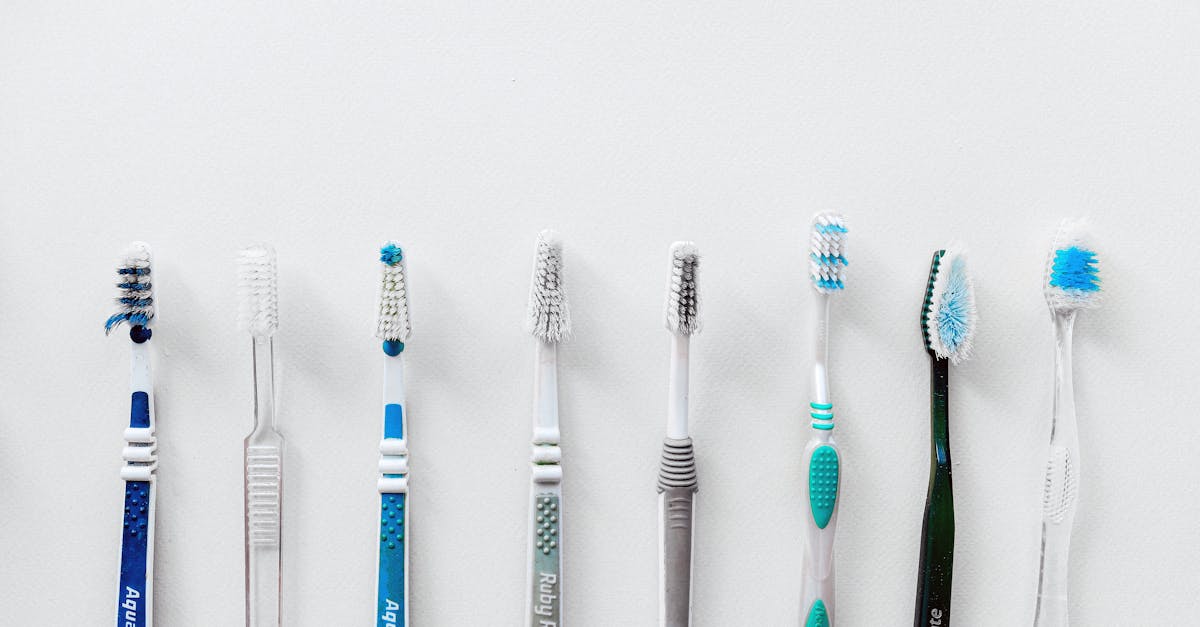
After six months without a smart toothbrush, I found surprising truths about brushing habits and dental health beyond tech hype.
For years, I was a devout follower of smart toothbrush technology. My bathroom counter proudly displayed a sleek, app-connected device that promised to revolutionize my oral hygiene. It tracked my brushing patterns, mapped my mouth, and even offered real-time feedback on pressure and coverage. Every six months, my dental check-ups would yield the same result: ‘Good job, Sophia, keep up the good work.’ I felt validated, convinced that this expensive gadget was the secret weapon in my fight against plaque and cavities. After all, if the data said I was doing well, who was I to argue?
Then, six months ago, my smart toothbrush decided to stage a protest. The app stopped syncing, the pressure sensor became erratic, and the battery life dwindled to mere days. Faced with a hefty repair bill or an equally expensive replacement, I paused. Was I truly getting value from this smart device, or had I simply outsourced my brushing intelligence to a piece of tech? I decided to revert to a simple, manual toothbrush – a basic, no-frills model that cost less than a fancy coffee. My six-month experiment began, not out of intention, but out of frustration and a sudden desire for simplicity. What I discovered fundamentally shifted my understanding of effective oral hygiene, revealing that the real ‘smart’ in toothbrushing lies not in the gadget, but in the user.
Key Takeaways
- Over-reliance on smart toothbrush apps can prevent developing true bodily awareness during brushing.
- Manual toothbrushes foster a heightened sense of tactile feedback, allowing for better pressure control and gum protection.
- The real determinant of oral health is consistent, intentional technique, not the advanced features of a device.
- Reverting to a simpler tool can reduce decision fatigue and friction, making daily dental care more accessible.
The Illusion of Data-Driven Brushing
My smart toothbrush app was a marvel of detailed analytics. It showed me colorful heat maps of my mouth, highlighting areas I missed and giving me scores for each brushing session. For a data-driven person like myself, this was incredibly satisfying. I believed I was optimizing my technique, chasing that perfect ‘100% coverage’ score. The mistake I see most often, and one I certainly made, is confusing data about brushing with actual effective brushing. The app told me where I hadn’t brushed, but it couldn’t tell me the quality of the brush in the areas I had covered. It couldn’t detect if I was just lightly skimming surfaces or genuinely cleaning at the gumline. I was so focused on hitting every quadrant on the screen that I neglected the nuanced feedback my own body was trying to give me.
What changed everything for me was recognizing that my mouth isn’t a two-dimensional diagram on a phone screen. It’s a complex, tactile environment. With the manual toothbrush, I had no external metrics to chase. This forced me to tune into my senses. I started feeling the bristles against each tooth surface, noticing the texture changes as plaque was removed, and becoming acutely aware of the pressure I was applying. This shift from external, visual data to internal, tactile sensation was profound. My focus moved from ‘completing a session’ to ‘actually cleaning my teeth.’ I realized the smart toothbrush had created a buffer, preventing me from developing the very proprioception I needed for truly effective oral hygiene. The data, while seemingly helpful, had actually made me a less aware brusher.
Reclaiming Tactile Feedback and Pressure Control
One of the most touted features of my smart toothbrush was its pressure sensor, which would alert me if I was brushing too hard. In theory, this sounds great for protecting gums. In practice, I found it often led to a binary approach: either I was brushing ‘too hard’ (and it would light up angrily) or I was brushing ‘just right.’ There was little room for the subtle gradations of pressure that different areas of the mouth require. For instance, my front teeth might need less pressure than my molars, or areas with slight gum recession might benefit from a gentler touch. The smart toothbrush’s feedback mechanism often felt like an on-off switch rather than a sensitive dial.
With a manual toothbrush, I had to become my own pressure sensor. This forced me to develop a much finer control. In my experience, the initial weeks were a learning curve. I found myself instinctively applying too much pressure, a habit developed over years of trying to ‘scrub away’ perceived plaque. But without the external alarm, I had to rely on the sensation in my gums and teeth. I consciously practiced different levels of pressure, observing how the bristles felt and the slight give of my gums. Over time, I developed a far more nuanced sense of how much pressure was genuinely effective for cleaning without causing damage. My gums, which had occasionally shown signs of sensitivity with the smart brush, felt healthier and less prone to irritation. It was like learning to drive a stick shift after years of automatic – more effort, but far more control and responsiveness.
The Unsung Hero: Brushing Technique, Not Technology
Before embarking on this unintended experiment, I believed the technology itself was largely responsible for my good oral health. I was wrong. What changed everything for me was the stark realization that the fundamental principles of brushing – the technique – are far more impactful than any smart feature. The American Dental Association (ADA) recommends brushing for two minutes, twice a day, using a soft-bristled brush and focusing on a systematic approach to cover all surfaces. A smart toothbrush might time you for two minutes, but it doesn’t guarantee a proper sweep or angle of the bristles.
Without the digital distractions, I found myself instinctively returning to the basics I learned as a child: angling the bristles at a 45-degree angle to the gumline, using short, gentle strokes, and ensuring I reached the back of every tooth. I focused on breaking my mouth into sections mentally and dedicating sufficient time to each, rather than relying on an app’s visual cues. This forced, deliberate practice honed my technique more in six months than years of using a smart brush had. I wasn’t just covering the teeth; I was cleaning them. The simple act of slowing down, looking in the mirror, and truly observing my technique became a powerful tool. My teeth felt cleaner, genuinely smoother, after each session, a sensation I now attribute to focused technique rather than the oscillating power of a gadget.
Reducing Decision Fatigue and Friction in Daily Routines
One aspect I hadn’t anticipated was the mental overhead associated with a smart toothbrush. There was the constant need to ensure it was charged, the occasional app updates, the syncing issues, and the mental calculation of whether my ‘score’ for the day was good enough. While these might seem minor, they added subtle layers of friction to a routine that should be effortless and automatic.
In my experience, the beauty of the manual toothbrush lies in its sheer simplicity. There’s no charging, no app to open, no data to analyze. It’s grab-and-go. This reduction in decision fatigue and overall friction made my twice-daily brushing feel less like a task and more like a seamless part of my routine. I wasn’t checking a device; I was just brushing my teeth. This unexpected liberation from tech demands created a psychological ease around oral hygiene. The barrier to entry for a good brushing session virtually disappeared. I found myself looking forward to the quiet, focused moments, rather than dreading another troubleshooting session with an unresponsive app. It turned out that the ‘smartest’ thing for my routine was to simplify it, removing any unnecessary steps between me and clean teeth.
Frequently Asked Questions
Do smart toothbrushes actually improve oral health more than manual ones?
In my experience, smart toothbrushes don’t inherently improve oral health more than manual ones; consistent, proper technique is the primary factor. While smart toothbrushes offer data and guidance, they don’t guarantee that the user applies the correct technique effectively. Many users, like myself, can become over-reliant on the app’s visual cues, missing crucial tactile feedback that a manual brush provides. Ultimately, the effectiveness comes down to the brusher’s intentionality and adherence to recommended techniques, regardless of the tool.
Can a manual toothbrush clean as effectively as an electric one?
Yes, a manual toothbrush can clean just as effectively as an electric one, provided the user employs the correct technique. The key is to use a soft-bristled brush, angle it at 45 degrees to the gumline, and use short, gentle strokes to clean all tooth surfaces and the gumline thoroughly for two minutes. Electric toothbrushes can be beneficial for those with limited dexterity or who struggle with manual technique, but they are not a substitute for proper form. My experience showed that focusing on technique with a manual brush led to a deeper, more intentional clean.
What are the benefits of going back to a manual toothbrush?
Switching back to a manual toothbrush offers several benefits, including developing better tactile awareness of brushing pressure and coverage, reducing over-reliance on technology, and simplifying your daily routine by eliminating charging and app management. It encourages a more mindful approach to oral hygiene, fostering an intuitive understanding of what ‘clean’ feels like in your mouth. For me, it significantly reduced decision fatigue and the subtle stress associated with maintaining smart devices.
How important is the ‘two-minute rule’ for brushing?
The ‘two-minute rule’ is very important as it ensures adequate time is spent cleaning all tooth surfaces thoroughly. Many people underestimate how long two minutes actually is when brushing. Whether using a manual or electric toothbrush, dedicating two full minutes to brushing, twice a day, is a cornerstone of effective oral hygiene. If you’re using a manual brush and find it hard to gauge the time, a simple kitchen timer or a song can help ensure you meet this crucial benchmark for comprehensive cleaning.
How often should I replace my manual toothbrush?
You should replace your manual toothbrush every three to four months, or sooner if the bristles become frayed. Worn bristles are less effective at cleaning and can even damage your gums. Just like with a smart toothbrush head, the physical bristles are the key cleaning component, and their integrity directly impacts how well your teeth are cleaned. Regular replacement ensures you always have an effective tool for maintaining oral health.
My six months without a smart toothbrush have been incredibly illuminating. I went from being a tech-dependent brusher to a truly aware one. I rediscovered the importance of technique, the value of tactile feedback, and the unexpected peace that comes with simplifying a daily ritual. My teeth feel cleaner, my gums healthier, and my morning routine more streamlined. The biggest revelation wasn’t that smart toothbrushes are bad, but that true oral health mastery comes from within, not from an app. It’s about intentionality, consistent application of fundamental techniques, and a deep connection to the sensations in your own mouth. For my next dental check-up, I’m confident my dentist will still say ‘Good job, Sophia,’ but this time, the credit won’t go to a gadget; it will belong entirely to me. My advice: don’t outsource your brushing intelligence; cultivate it.
Written By
Sophia Rodriguez
Health & Wellness
A nutritionist and former chef, Sophia translates scientific wellness into accessible, enjoyable daily practices.
Borrowing History — Also Checked Out
10,000 Steps Is Only a Starting Point for Real Health Gains
Wellness
The Hidden Cost of 'Cheap' Multivitamins That Nobody Talks About (And How I Found Real Nutritional Support)
Wellness
Why Most Budget Home Exercise Equipment Fails (And What Actually Works for Real Fitness)
Wellness