Why Most Meal Planning Fails (And What Actually Works for Real Food Freedom)
Discover why traditional meal planning often falls short and learn a flexible, realistic approach to consistent healthy eating without the stress.
You’re standing in front of an overflowing refrigerator, a half-hearted meal plan crumpled on the counter, and a sense of dread creeping in. It’s 6 PM, you’ve had a long day, and the meticulously planned salmon with roasted asparagus now feels like an insurmountable culinary mountain. Your partner asks, ‘What’s for dinner?’ and all you can manage is a sigh and the vague suggestion of takeout. If this scenario sounds painfully familiar, you’re not alone. Most people who attempt meal planning eventually throw in the towel, feeling like a failure and reverting to chaotic, often unhealthy, eating habits. But it’s not you; it’s the method.
Traditional meal planning, with its rigid weekly schedules and aspirational recipes, sets us up for failure. Life happens. Your afternoon meeting runs late, a child gets sick, a friend spontaneously calls. These unpredictable moments unravel even the best-laid plans, leaving us with wasted ingredients, food fatigue, and a deep sense of guilt. I’ve been there, staring at five pounds of chicken breasts I was ‘supposed’ to cook into three different meals, only to see them languish in the fridge as my enthusiasm waned. What changed everything for me wasn’t more discipline, but a complete overhaul of my approach, shifting from rigid planning to flexible strategizing.
Key Takeaways
- Ditch rigid, day-by-day meal plans for a flexible ‘component cooking’ strategy that adapts to your week.
- Prioritize a ‘power pantry’ of versatile staples to minimize last-minute grocery runs and cooking stress.
- Batch cook flexible components like grains, proteins, and roasted vegetables, not entire meals.
- Embrace ‘anchors’ – 2-3 super-simple, go-to meals – for predictable, low-effort healthy eating.
The Illusion of Perfection: Why Rigid Plans Collapse Under Pressure
The biggest mistake I see most often in traditional meal planning is the pursuit of culinary perfection for every single meal. We scroll through Pinterest, save aspirational recipes, and then attempt to replicate a week’s worth of gourmet-level dishes, often from scratch, on top of everything else life throws at us. This approach is fundamentally flawed because it ignores the reality of fluctuating energy levels, unexpected schedule changes, and plain old human desire for variety. You might be excited to make a lentil shepherd’s pie on Monday, but by Wednesday, the thought of chopping vegetables for another elaborate dish feels exhausting. The mistake is in assuming our future selves will have the same energy, time, and enthusiasm as our planning selves.
In my experience, trying to stick to a daily meal calendar that dictates ‘Tuesday: Moroccan Chicken Tagine, Wednesday: Homemade Pizza, Thursday: Sushi Bowls’ is a recipe for burnout. What happens when Tuesday’s meeting runs late? Or you realize you’re missing a key spice for the tagine? Suddenly, the plan becomes a source of stress, not relief. This rigid adherence leads to wasted ingredients (those specialty items bought for one specific recipe often go bad), decision fatigue as you constantly try to force a square peg into a round hole, and ultimately, a return to impulsive eating. I recall one week where I planned an ambitious stir-fry, a complicated curry, and a slow-cooker stew. By midweek, after a particularly draining day, the stir-fry became takeout, the curry ingredients sat untouched, and the stew was relegated to the freezer, only to be forgotten. The cost wasn’t just money; it was mental energy and the feeling of failure.
Component Cooking: The Secret to True Meal Freedom
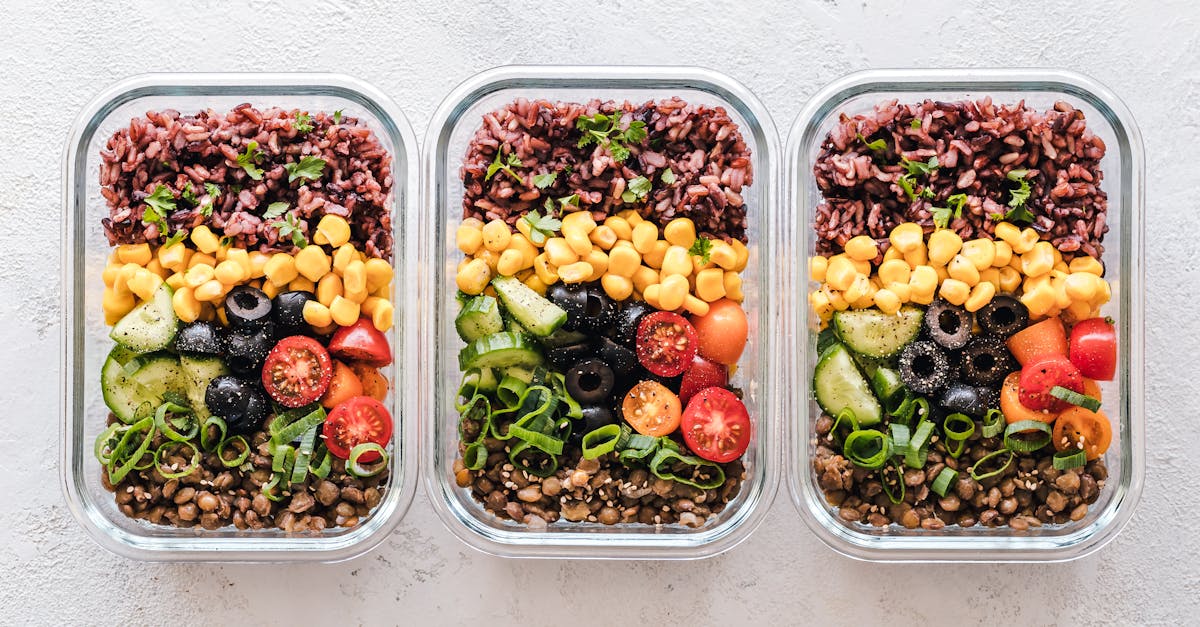
What truly changed everything for me was shifting from ‘meal planning’ to ‘component cooking.’ Instead of planning specific meals, I started planning components that could be mixed and matched into various dishes. Think of it like a culinary Lego set. This approach acknowledges that life is unpredictable and allows for immense flexibility without sacrificing healthy eating or creating food waste. The core idea is to cook versatile ingredients in larger batches that can be repurposed throughout the week.
Here’s how it works: Instead of saying ‘Monday: Chicken Caesar Salad,’ I think ‘cook a large batch of roasted chicken breast.’ Instead of ‘Tuesday: Black Bean Burgers,’ I think ‘cook a large batch of black beans and quinoa.’ My shopping list now revolves around these core components: a protein (chicken, lentils, tofu, ground turkey), a complex carbohydrate (quinoa, brown rice, sweet potatoes), and 2-3 types of vegetables (broccoli, bell peppers, spinach, mixed greens). On my designated ‘prep day’ (which for me is usually Sunday afternoon), I spend about 90 minutes preparing these building blocks:
- Protein: Bake 2-3 chicken breasts, roast a tray of chickpeas, or cook a pound of lentils.
- Grain: Cook a big pot of quinoa or brown rice.
- Roasted Veggies: Chop a variety of hearty vegetables (broccoli, sweet potatoes, bell peppers) and roast them with olive oil and spices.
- Fresh Prep: Wash and chop salad greens, slice cucumbers, dice onions or peppers for raw additions.
With these components ready, dinner becomes an assembly task, not a cooking endeavor. A pre-cooked chicken breast, a scoop of quinoa, and some roasted broccoli take 3 minutes to plate and microwave. Add some pre-chopped greens and a dressing, and it’s a salad. Dice the chicken, warm the beans, and serve over rice with salsa for a quick burrito bowl. This approach significantly reduces the mental load and cooking time on busy weeknights, ensuring healthy, homemade meals are always within reach. This eliminated the ‘dread’ feeling I described earlier because I was always just minutes away from a decent meal, no matter how tired I was.
The Power Pantry: Your Emergency Food Kit for Sanity
Beyond just component cooking, a ‘power pantry’ is non-negotiable for true meal planning success. This isn’t just about having food; it’s about having versatile, quick-cooking food items that can save you when your best-laid plans (or even component cooking) fall apart. A well-stocked pantry, freezer, and refrigerator become your safety net, allowing you to whip up a healthy meal in 15-20 minutes without a trip to the grocery store.
My power pantry always includes:
- Canned Goods: Diced tomatoes, beans (black, cannellini, chickpeas), tuna, coconut milk, low-sodium broth.
- Dry Goods: Pasta, rice (basmati, arborio), quinoa, oats, lentils, whole grain tortillas.
- Frozen Staples: Frozen vegetables (broccoli, spinach, corn, peas), frozen fruit (berries, mango), frozen protein (shrimp, ground turkey, chicken breast, fish fillets).
- Dairy/Perishables: Eggs, Greek yogurt, cheese (feta, cheddar), sturdy produce like onions, garlic, potatoes, carrots, apples, citrus.
- Condiments/Sauces: Olive oil, vinegar, soy sauce, hot sauce, various dried herbs and spices, peanut butter, salsa, hummus.
With these items on hand, a forgotten dinner plan isn’t a disaster. You can quickly make pasta with canned tomatoes and frozen veggies, scrambled eggs with toast and a side of fruit, tuna melts, lentil soup, or a quick curry with coconut milk and frozen chicken. The key is to have the ingredients for several quick meals always available. This drastically reduces the number of times you resort to takeout because you ‘have nothing to eat.’ I used to think I was saving money by not buying certain things, but the truth is, the cost of one impulse takeout meal often outweighs the cost of stocking these versatile staples for weeks.
The ‘Anchor Meal’ Strategy: Your Go-To, Zero-Brainpower Dinners
Even with component cooking and a power pantry, some nights you need an absolute no-brainer. This is where ‘anchor meals’ come in. These are 2-3 super-simple, tried-and-true meals that you can make without thinking, almost on autopilot. They require minimal ingredients, minimal effort, and you know they’ll be satisfying. These are your fallback, your safety net, your ultimate convenience food that still allows you to eat healthy and at home.
For me, my anchor meals include:
- Loaded Scrambled Eggs: 3 eggs scrambled with a handful of spinach, maybe some pre-cooked beans or feta, served with whole-grain toast and a piece of fruit. Takes 5-7 minutes. Total cost: ~$2.50 per serving.
- Sheet Pan Sausage & Veggies: Pre-cooked chicken sausage (or raw sausage) sliced, tossed with frozen broccoli florets and chopped bell peppers, olive oil, and seasoning. Roasted on one sheet pan for 20 minutes. Minimal cleanup. Total cost: ~$4-5 per serving.
- Tuna Melts with Side Salad: Canned tuna mixed with Greek yogurt (instead of mayo for a healthier twist), a bit of Dijon, and celery. Served on whole-grain bread with a slice of cheese, broiled, alongside a pre-washed bag of salad greens with a simple vinaigrette. Takes 10-15 minutes. Total cost: ~$3.50 per serving.
The beauty of anchor meals is their sheer predictability and ease. You don’t need to look up a recipe, you probably have all the ingredients, and the process is ingrained. When decision fatigue hits, or you’re running on empty, you don’t have to think – you just execute. This prevents the spiral into ordering expensive, often less healthy, takeout out of sheer exhaustion. I aim for one or two anchor meals a week, especially on the busiest evenings, and they are lifesavers.
The Weekly Vibe Check: Flexible Planning, Not Rigid Dictation
Instead of creating a strict daily menu, I now do a ‘weekly vibe check.’ On Sunday, I look at my week ahead: any late meetings? Social engagements? Kids’ activities? Based on that, I decide how many full ‘cooking’ nights I realistically have. The rest become component-assembly nights or anchor-meal nights. This isn’t about assigning specific meals to specific days, but rather assessing the type of meal effort I can afford each day.
My ‘plan’ might look something like this:
- Monday: Component assembly (e.g., roasted chicken, quinoa, roasted veggies).
- Tuesday: Anchor meal (e.g., loaded scrambled eggs).
- Wednesday: Cooking night (e.g., make a big batch of chili or lentil soup that can be leftovers).
- Thursday: Leftovers from Wednesday.
- Friday: Out/Takeout (planned flexibility).
- Saturday: Cooking night (something fun or a bit more involved).
- Sunday: Prep day + simple meal.
This approach gives me a framework without boxing me in. If Wednesday turns chaotic, I swap it for an anchor meal and save the chili for Thursday. If I make too much chili, it becomes Friday’s dinner instead of takeout. The goal is to always have a readily available, healthy option that aligns with my current energy and schedule, rather than feeling obligated to follow a pre-written decree. This flexibility, not planning perfection, is what breeds consistency and real food freedom.
Frequently Asked Questions
How is ‘component cooking’ different from traditional meal prepping?
Traditional meal prepping often involves cooking entire meals (e.g., 5 servings of chicken and broccoli) to be eaten on specific days. Component cooking focuses on preparing individual ingredients (like plain chicken, rice, or roasted vegetables) in bulk, allowing you to combine them in various ways throughout the week. This offers much more flexibility and prevents food fatigue, as you’re not eating the exact same meal multiple times.
What if I get bored eating the same components all week?
The key to avoiding boredom is variety in how you combine and flavor your components. For example, roasted chicken can be used in a salad one day, a burrito bowl the next, and mixed with pasta and pesto on another. Stock a variety of sauces, spices, and fresh herbs to create different flavor profiles. Your power pantry is crucial here; a simple hot sauce or a squeeze of lime can transform a basic component into something new.
How much time does ‘prep day’ actually take?
For most people, setting aside 1-2 hours on a less busy day (like a Sunday) is sufficient to prepare enough components for 3-5 days. This might include roasting vegetables, cooking a grain, and preparing a protein. While it’s an upfront investment, it drastically reduces daily cooking time on busy weeknights, often saving you more time overall throughout the week.
What if I don’t have time for a full prep day?
Even 30 minutes can make a difference. Prioritize one or two components, like cooking a batch of quinoa and chopping some sturdy vegetables. Alternatively, look for pre-prepped items at the grocery store, like pre-chopped vegetables or rotisserie chickens, to save time. The goal is progress, not perfection; any amount of prep will make your week smoother.
How do I store all these cooked components?
Invest in good quality airtight containers (glass is often preferred). Store proteins, grains, and vegetables separately to maintain freshness and allow for flexible mixing. Most cooked components will last 3-5 days in the refrigerator. If you cook larger batches, some items like grains or certain proteins can often be frozen for longer storage.
The Path to Sustainable Eating
Meal planning isn’t about following a rigid culinary script; it’s about setting yourself up for success in the face of life’s unpredictability. By ditching the fantasy of daily gourmet meals and embracing the practicality of component cooking, a well-stocked power pantry, and reliable anchor meals, you can transform mealtime from a source of stress into a pillar of health and convenience. What changed everything for me was realizing that true food freedom comes from flexibility and preparation, not from a perfectly color-coded meal calendar. Start small this week: pick one protein and one grain to batch cook, and see how much easier your dinners become. Your future, less stressed self will thank you.
Written By
Sophia Rodriguez
Health & Wellness
A nutritionist and former chef, Sophia translates scientific wellness into accessible, enjoyable daily practices.
Borrowing History — Also Checked Out
Why Most Budget Home Exercise Equipment Fails (And What Actually Works for Real Fitness)
Wellness
Why Most People Can't Master Their Emotions (And What Actually Works to Regain Control)
Wellness
Why Most Meal Preps Fail (And What Actually Works for Sustainable Healthy Eating)
Wellness