Why Most People Fail to Declutter (And What Actually Works for Lasting Order)
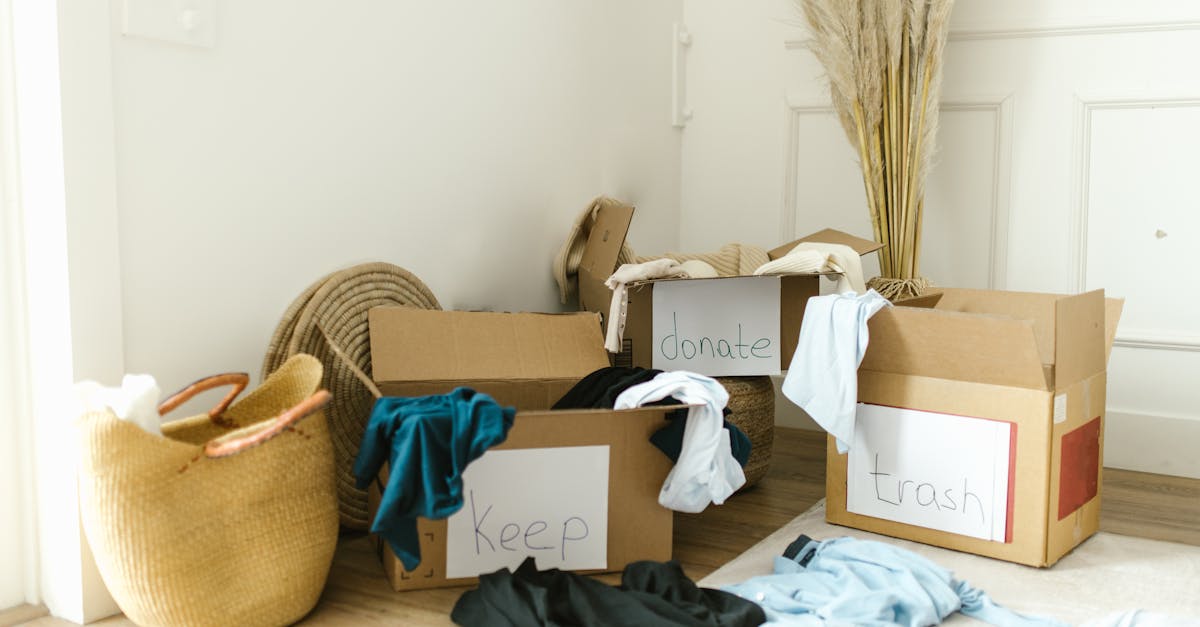
Discover the real reasons decluttering efforts fall short and learn practical strategies to achieve and maintain lasting organization in your home.
You stare at the overflowing drawer, the perpetually messy countertop, or the closet that threatens to avalanche every time you open it. You’ve tried decluttering before. Maybe you even spent an entire weekend purging, only to find the clutter creeping back within weeks. The initial surge of motivation, the brief moments of clear surfaces – they always seem to fade, leaving you frustrated and convinced that lasting order is an impossible dream. You’re not alone. In my experience, the biggest mistake people make isn’t a lack of effort, but a fundamental misunderstanding of why clutter accumulates and how to truly prevent its return.
The real issue isn’t your willpower; it’s the invisible systems (or lack thereof) governing your home. It’s the silent assumptions you make about what you need, how much space you have, and the emotional weight attached to your belongings. I’ve helped countless individuals transform their living spaces, and what I’ve learned is that sustainable decluttering is less about a one-time purge and more about implementing a strategic, psychological shift in how you interact with your possessions. It’s about moving beyond simply ‘getting rid of stuff’ to understanding its root cause and building resilient habits.
Key Takeaways
- Most decluttering fails because it doesn’t address the ongoing inflow of new items, making it a temporary fix.
- True organization requires setting strict container limits for every category of item to prevent over-accumulation.
- Successfully maintaining order involves a daily ‘reset’ routine to prevent small messes from becoming overwhelming.
- Shifting your mindset from ‘what if I need it later?’ to ‘what do I use daily?’ is crucial for making effective decluttering decisions.
The Inflow Problem: Why Purging Alone is a Treadmill
The most common reason decluttering efforts fail is that they only address the outflow of items without tackling the inflow. Imagine trying to bail water out of a sinking boat while more water is continuously pouring in. You might get a temporary reprieve, but eventually, you’ll be overwhelmed again. Most people dedicate a weekend, fill a few donation bags, and feel a sense of accomplishment. The problem? They haven’t changed their purchasing habits, their acceptance of freebies, or their system for managing new arrivals. The moment they go shopping, receive a gift, or simply forget to put something away, the cycle of accumulation begins anew.
In my own home, what changed everything for me was realizing that every item that comes in needs a designated ‘parking spot’ or it immediately becomes clutter. Before I buy a new book, I ask myself which old book on my shelf it’s replacing. If I bring home a new kitchen gadget, I consider if I’m willing to part with an existing one. This isn’t about deprivation; it’s about mindful consumption. It’s about understanding that every new acquisition demands space, time, and mental energy. The mistake I see most often is people thinking decluttering is a one-time event, rather than an ongoing maintenance process that starts with controlling what enters your home in the first place. You have to actively filter the stream, not just clean up the flood downstream.
Container Limits: The Non-Negotiable Rule for Lasting Order
This is perhaps the single most powerful strategy for maintaining an organized home, yet it’s often overlooked. A ‘container limit’ means you decide exactly how much space you allocate to a particular category of items, and you commit to never exceeding that limit. If you have a drawer for socks, then your sock collection can only ever be as large as what comfortably fits in that drawer. If you have a bookshelf for books, then your book collection can’t spill over into stacks on the floor or piles on your nightstand.
For example, I have a single bin in my pantry dedicated to snacks. If that bin is full, I don’t buy more snacks until I’ve consumed enough to create space. My children’s toy chest has a hard limit – if a new toy comes in, an old one must go out. This isn’t about arbitrary rules; it’s about respecting the physical boundaries of your home and recognizing that space is a finite resource. When you don’t set these limits, your possessions expand to fill every available void, and then some. What changed everything for me was applying this principle to every category: linens, tools, clothing, memorabilia, you name it. It forces you to make conscious decisions about what you truly value and prevents that insidious creep of ‘just one more thing.’ Without container limits, you’re constantly fighting an uphill battle against the natural tendency of things to accumulate.
The 5-Minute Daily Reset: Preventing Clutter Avalanches
Many people approach organization with an ‘all-or-nothing’ mindset: either they dedicate an entire weekend to a massive clean-up, or they do nothing at all. This is a recipe for disaster. The truth is, small messes left unchecked quickly snowball into overwhelming clutter. What works infinitely better is implementing a short, consistent daily ‘reset’ routine. This isn’t deep cleaning; it’s simply putting things back where they belong.
In my household, we call it the ‘evening sweep.’ Before winding down for the night, we spend a dedicated 5-10 minutes (no more) putting away anything that’s out of place. Mail goes to its sorting tray, shoes go to the closet, dirty dishes go into the dishwasher, blankets are folded, and remotes are placed back on the coffee table. This small ritual prevents items from migrating and multiplying across surfaces. It’s about ‘closing the loops’ of daily life. The mistake I see most often is people letting things pile up, thinking they’ll get to it later, only to find themselves facing a daunting task that takes hours, not minutes. This daily discipline saves you hours over the course of a week and keeps your home feeling consistently calm and manageable. It’s the most impactful habit for long-term organization.
Mindset Shift: From ‘What If I Need It?’ to ‘What Do I Use Daily?’
The biggest mental hurdle in decluttering is the ‘just in case’ fallacy. We hold onto items out of fear: ‘What if I need this obscure tool next year?’ ‘What if this outdated piece of clothing comes back in style?’ ‘What if I regret getting rid of this sentimental item?’ This fear of future regret paralyzes decision-making and leads to accumulating vast amounts of unused items. The reality is, for most ‘just in case’ items, if you haven’t used it in the last year (or even six months), the odds of needing it in the immediate future are slim to none. And if you do need it, you can usually borrow, rent, or replace it for less cost (and mental burden) than storing it indefinitely.
What changed everything for me was a simple shift in perspective: instead of asking ‘What if I need this?’, I started asking, ‘What do I actively use and derive value from on a regular basis?’ This reframe cuts through the emotional attachment and focuses on utility and joy. It forces a more realistic assessment of an item’s current value in your life. The mistake I see most often is people prioritizing potential future utility over present peace of mind and clear space. Be honest with yourself. Most ‘what ifs’ never materialize, and the mental freedom of a clutter-free home far outweighs the minuscule chance of needing that specific item later. Don’t let imaginary future scenarios dictate your present living conditions.
Establishing ‘Homes’ for Everything: The Foundation of Retrieval
Organizing isn’t just about getting rid of things; it’s about ensuring that the things you keep have a logical, easily accessible place to live. If an item doesn’t have a designated ‘home,’ it will inevitably end up floating around, contributing to surface clutter. Think of it like this: if you don’t have a specific spot for your car in your garage, where does it end up? Parked wherever there’s space, often blocking things.
In my experience, the key here is to group like items together and store them as close as possible to where they are used. Kitchen utensils belong near the stove or prep area, not in a random drawer in the living room. Charging cables have a dedicated charging station. Keys hang by the door. This isn’t rocket science, but the mistake I see most often is people not taking the time to truly think through these logical homes. They might group items, but then put them in an inconvenient spot, making it harder to put them away than to just leave them out. What changed everything for me was walking through each room, item by item, and asking: “Where is this used? Where should its permanent home be?” Once every item has a home, the daily reset becomes effortless, and clutter struggles to take root.
Frequently Asked Questions
Q: I get overwhelmed easily. Where should I start decluttering?
A: Start small. Pick one single drawer, one shelf, or one small surface. Don’t tackle an entire room. The goal is to build momentum and see immediate, tangible results. For instance, clear your nightstand, or organize your junk drawer. A small win fuels the next effort.
Q: What’s the best way to deal with sentimental items I don’t want to get rid of?
A: Acknowledge their importance, but consider limiting them. Designate a specific container (e.g., one keepsake box per person) for sentimental items. Photograph larger items before donating them, or digitize old photos. The memory often lives on even if the physical object doesn’t.
Q: How do I stop new clutter from coming into my house?
A: Be mindful of your purchases and challenge every new item. Ask: “Do I truly need this? Do I have a place for it? Am I willing to get rid of something else to make space for it?” Also, be deliberate about freebies and gifts – it’s okay to say no or immediately re-gift/donate items you don’t need.
Q: My family members are not on board with decluttering. How can I get them involved?
A: Lead by example with your own spaces first. Focus on shared areas where clutter affects everyone. Instead of demanding they declutter, offer to help them organize their spaces in a non-judgmental way. Frame it as creating more peace and usability, not just getting rid of things.
Q: I’ve decluttered before, but it always comes back. How can I make it stick?
A: It’s about ongoing habits, not one-time events. Implement the daily 5-minute reset, enforce container limits, and be vigilant about what enters your home. The ‘coming back’ means the underlying systems for managing inflow and maintenance haven’t been adequately addressed.
Ultimately, sustainable decluttering isn’t a magical one-time fix; it’s an ongoing dialogue with your possessions and a commitment to maintaining respectful boundaries within your home. By shifting your mindset from sporadic purges to consistent, strategic management, you can finally break free from the cycle of clutter and enjoy the peace and clarity of a truly organized living space. Start today by implementing one container limit or committing to a 5-minute daily reset. Your future, calmer self will thank you.
Written By
Daniel Kim
Home & Finance Management
A retired librarian and lifelong learner, he brings a meticulously researched approach to everyday self-sufficiency and financial planning.
Borrowing History — Also Checked Out
Why Most Decluttering Methods Fail (And What Actually Works for Lasting Order)
Lifestyle
Why Most Home Organization Systems Fail (And What Actually Works for Lasting Order)
Lifestyle
Why Most Meal Delivery Services Fail You (And What Actually Works for Sustainable Convenience)
Lifestyle