Why Most DIY Home Security Fails (And The Layered Defense That Actually Works)
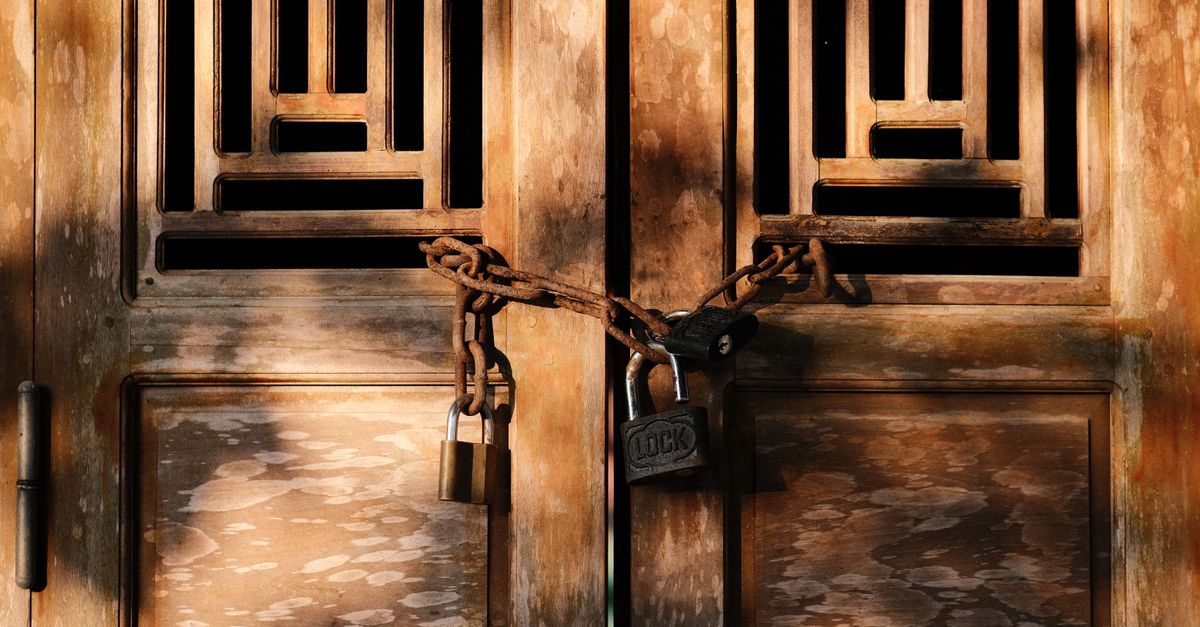
Don't fall for basic DIY home security. Discover why common approaches fail and how to build a layered defense that truly protects your home.
The promise of DIY home security is enticing: save money, customize everything, and feel empowered. I fell for it myself years ago, after a neighbor experienced a break-in. I rushed to buy a starter kit, convinced I was instantly making my home safer. A few motion sensors, a couple of window alarms, and a smartphone app – what could go wrong?
What went wrong, in my experience, was a false sense of security. The first time my alarm system went off (a false positive, triggered by a playful cat), I fumbled with the app, panicked, and eventually silenced it without proper investigation. It highlighted a critical flaw: an alarm system is only as good as its response mechanism. And most DIY setups, despite their flashy features, miss fundamental layers of defense that professionals understand.
Most homeowners, myself included initially, tend to think of home security as a single product or system. We buy a video doorbell, a set of sensors, or maybe a smart lock, and then check the ‘secure home’ box. The mistake I see most often is relying on a single point of failure or an incomplete understanding of what true security entails. A skilled intruder doesn’t care about your single smart lock if they can bypass an unprotected window. They don’t mind a motion sensor if they know it only triggers an alert to your phone, with no immediate professional response.
Real home security isn’t a product; it’s a strategy. It’s about creating multiple, redundant layers that deter, detect, delay, and eventually deny access, or at least buy enough time for a response. If you’ve tried DIY systems and found them lacking, or if you’re about to embark on your own setup, I’m here to tell you why they often fail, and what changed everything for me: a layered defense strategy that integrates smart technology with fundamental, often overlooked, security principles.
Key Takeaways
- Relying on a single DIY security component creates a false sense of security and leaves your home vulnerable to common bypass tactics.
- True home security requires a layered defense, combining physical deterrents, perimeter alarms, interior detection, and a reliable response plan.
- Proactive environmental control, like robust landscaping and smart lighting, significantly enhances deterrence without relying on complex tech.
- Integrate professional monitoring with your DIY setup for guaranteed, rapid emergency response, even when you’re unavailable.
- Regularly review and test your entire security system, including both physical and technological components, to identify and fix vulnerabilities before an incident occurs.
The Illusion of Perimeter Protection: Why Most Entry Sensors Aren’t Enough
When I first bought into DIY security, my main focus was on entry sensors for doors and ground-floor windows. I figured if someone tried to open them, I’d get an alert. This is a good start, but it’s fundamentally flawed as a primary defense. Why? Because skilled intruders rarely enter through the front door with a polite knock. They look for the path of least resistance.
Think about it: a determined burglar isn’t going to spend five minutes trying to pry open a front door with a sensor. They’re more likely to smash a window (bypassing the ‘open’ sensor entirely), force open a sliding glass door, or even enter through an unlocked upstairs window that you forgot to arm. Most DIY kits don’t adequately address these scenarios.
What changed everything for me was shifting my focus from just detecting entry to detecting attempts at entry and vulnerability points. Instead of relying solely on contact sensors, I implemented:
- Glass-break sensors: These are acoustic sensors designed to pick up the specific frequency of breaking glass. Placing them in rooms with large windows or glass doors offers protection against smash-and-grab entries. They trigger before entry, giving you crucial extra seconds.
- Shock/vibration sensors: These attach to windows or doors and detect forced entry attempts, not just opening. If someone is trying to pry open a window, it triggers an alert. I found these particularly useful for older windows or less secure doors that might not have tight seals for contact sensors.
- Reinforced sliding door locks: Standard sliding door locks are notoriously easy to bypass. I installed security bars or robust secondary locks (like those that drill into the frame) that provide a physical barrier, delaying entry even if a sensor is compromised.
This layered approach to the perimeter provides far more robust protection. A contact sensor is one layer, but glass-break and shock sensors add crucial redundancy, ensuring that a determined attempt to bypass one method is caught by another. It’s about making the initial entry difficult and noisy, not just detectable after the fact.
The Overlooked Power of Environmental Control: Beyond the Gadgets
Many DIY enthusiasts get caught up in the latest smart gadgets – the flashing lights, the app notifications, the high-tech cameras. While these are important, they often overshadow simpler, more effective deterrents that don’t involve any electronics at all: your home’s immediate environment.
In my neighborhood, I noticed houses with well-maintained, clear perimeters seemed less appealing targets than those with overgrown bushes or dark, hidden corners. Intruders favor concealment and ease of access. When I started viewing my landscaping and exterior lighting as active security components, it transformed my home’s defense.
Here’s what I learned to implement:
- Strategic Landscaping: Trim back large bushes, trees, and shrubs, especially those near windows and doors. These provide excellent hiding spots. Aim for a clear line of sight from the street to all entry points. Conversely, thorny bushes directly under windows can act as a natural, uncomfortable deterrent.
- Robust Exterior Lighting: Forget a single porch light. I installed motion-activated floodlights covering all sides of my house, especially dark pathways, the garage, and backyard. A sudden burst of bright light is a powerful deterrent, signaling that a property is monitored and that attempts at entry will be exposed. Smart lights are great here, allowing schedules and remote control, but even basic motion-sensing lights are a huge upgrade.
- Visible Deterrents: This might sound obvious, but conspicuous security signs, camera decals, and even a ‘beware of dog’ sign (if applicable) act as psychological deterrents. If an intruder sees these, they might decide your home is too much trouble and move on to an easier target. It’s about projecting an image of vigilance.
These seemingly low-tech solutions are often the first line of defense, discouraging an attempt before any high-tech sensor even needs to activate. They make your home appear less vulnerable, forcing a potential intruder to reconsider or revealing their presence before they’ve even touched a window.
The Pitfall of Self-Monitoring: Why You Can’t Be Your Own Security Guard
Here’s the brutal truth I learned the hard way: a DIY security system that only alerts your phone is severely limited. What happens if your phone is off, on silent, out of service, or you’re asleep? What if you’re on vacation across time zones? What if it’s a genuine emergency, and you’re too panicked to call the police yourself?
This was my biggest blind spot. I assumed if an alarm went off, I’d get the alert, call 911, and everything would be fine. The false alarm with my cat made me realize how quickly stress and fumbling with an app can delay a critical response. Real emergencies require immediate, professional action.
What changed everything for me was integrating professional monitoring. Many DIY systems now offer this as an add-on, and it’s non-negotiable in my layered defense:
- 24/7 Professional Response: When an alarm is triggered, it goes to a central monitoring station. Trained professionals verify the alert (often through two-way audio or camera feeds, if available and authorized) and dispatch emergency services immediately. This bypasses your reaction time, phone battery, or network issues.
- Faster Emergency Services Dispatch: Monitoring centers often have direct lines to emergency dispatch, potentially cutting down on the time it takes for police or fire to arrive. Every minute counts in an emergency.
- Peace of Mind While Away: Knowing that my home is professionally monitored, even when I’m thousands of miles away, is invaluable. I still get alerts, but the primary response is handled without my direct intervention being necessary.
This isn’t to say self-monitoring is useless for minor things (like knowing when your kids get home from school), but for actual security incidents, relying solely on yourself is a critical flaw. Professional monitoring closes this gap, ensuring a consistent, trained response regardless of your personal availability.
Interior Detection and Response: Beyond Entry Points
While perimeter security is crucial, a truly layered defense extends inside the home. If an intruder manages to bypass your exterior defenses, your interior sensors become your last line of detection and delay. Most DIY setups stop at doors and windows, ignoring the vulnerabilities inside.
I realized this after hearing stories of intruders who found an obscure, unlocked window, got in, and then had free reign inside. My perimeter sensors wouldn’t have helped then.
Here’s how I expanded my interior defense:
- Strategic Motion Sensors: Place motion sensors in high-traffic areas or hallways, but with careful consideration to avoid pets. Some advanced sensors are pet-immune, differentiating between a small animal and a human. These catch intruders who have already gained access, triggering an alarm after entry but before they can reach valuables.
- Interior Cameras: Beyond video doorbells, strategically placed interior cameras (with privacy modes when you’re home) can provide critical visual evidence and even two-way audio to scare off intruders. Footage is invaluable for law enforcement.
- Smart Home Integration (Subtle Defenses): I started integrating my smart lighting and smart plugs into security routines. If an interior motion sensor is tripped while I’m away, specific lights can flash, creating the impression someone is home or disorienting an intruder. I even have smart plugs connected to loud radios that can activate upon an alarm, adding to the noise and confusion.
- Safe Room/Secure Storage: For highly valuable items, don’t rely solely on your alarm system. A small, hidden safe bolted to the floor or a reinforced closet can act as a final layer of physical defense, delaying or denying access to specific items even if an intruder makes it inside.
Interior detection isn’t just about catching someone inside; it’s about making their stay as uncomfortable, visible, and short-lived as possible. It creates a deterrent effect within your home, pushing them to leave quickly rather than allowing them to leisurely search for valuables.
The Overlooked Lifespan: Regular Audits and Maintenance
One of the biggest failures of any home security system, DIY or professional, is complacency. You set it up, you arm it, and you forget about it. Batteries die, sensors get bumped, Wi-Fi connections get spotty, and camera lenses get dusty. In my experience, assuming a system will work perfectly forever is a recipe for disaster.
What truly fortified my layered defense was establishing a regular audit and maintenance routine. This is something often glossed over in DIY instructions, but it’s vital for trustworthiness:
- Monthly Sensor Test: I make it a habit to walk through my house once a month, triggering each contact sensor, glass-break sensor, and motion sensor to ensure they communicate with the hub and trigger alerts. This takes about 15-20 minutes but confirms operational integrity.
- Battery Replacement Schedule: Most sensors use long-life batteries, but they will die. I keep a log of when I installed/replaced batteries and proactively swap them out every 1-2 years, rather than waiting for low-battery alerts (which often happen at the least convenient times).
- Camera Check-ins: Regularly check camera feeds for clarity, position, and to ensure they’re recording or streaming as expected. Clean lenses for dust and cobwebs. Verify local storage or cloud backup is functioning.
- Network Stability: A smart security system relies heavily on your home Wi-Fi. I ensure my router is updated, secured, and provides strong signal to all devices. A weak Wi-Fi signal can render your entire system useless.
- Physical Security Check: Twice a year, I do a walk-around of my entire property. I check all door and window locks, hinges, and frames for signs of wear or tampering. I ensure exterior lighting is working and motion sensors are still aimed correctly. I trim back any new shrub growth that might create hiding spots.
This consistent vigilance ensures that when a real incident occurs, your layered defense isn’t compromised by a dead battery or a misaligned sensor. It’s the difference between a system that might work and one that you know is ready to protect your home.
Frequently Asked Questions
## Q: Can I really secure my home without professional installation?
A: Yes, absolutely. Professional installation offers convenience and often ensures optimal placement, but with careful research and adherence to a layered defense strategy, you can install a highly effective system yourself. The key is to understand the vulnerabilities a professional installer would address and replicate those solutions. This means going beyond basic starter kits and thinking about physical barriers, environmental control, and redundant detection methods, not just buying a box of sensors.
## Q: Is a video doorbell enough for basic security?
A: A video doorbell is an excellent deterrent and a great first layer for monitoring your front door and package deliveries. It provides visual evidence and can scare off porch pirates. However, it’s far from enough for comprehensive home security. It only covers one small area and won’t detect someone breaking in through a side window, a back door, or even forcefully entering the front door if they avoid the motion zone. Integrate it into a broader system with perimeter and interior sensors, and consider professional monitoring for true security.
## Q: What’s the most common mistake people make with DIY security?
A: The most common mistake is assuming that a single product or a basic starter kit provides comprehensive security. Many people install a few door/window sensors and a hub, then think their home is secure. This creates a false sense of security. Real security is about layers: deterring with visible measures, detecting attempts at entry (not just entry itself), detecting interior movement, and ensuring a rapid, reliable response when an alarm triggers. A single point of failure (like a window smash bypassing a contact sensor) can compromise the entire setup.
## Q: Should I get professional monitoring for my DIY system?
A: In my opinion, professional monitoring is a non-negotiable component for any serious home security setup, DIY or otherwise. While self-monitoring provides alerts to your phone, it relies entirely on your immediate availability and ability to respond. Professional monitoring ensures that trained personnel are always available to verify alarms and dispatch emergency services, regardless of where you are or what you’re doing. It adds a crucial layer of trust and reliability that no amount of personal vigilance can match.
## Q: How often should I test my DIY home security system?
A: I recommend testing your core sensors (door/window, motion, glass-break) at least once a month. This takes minimal time but confirms they are all communicating with your hub and triggering alerts correctly. Battery replacement should be done proactively every 1-2 years (depending on manufacturer recommendations and battery type), rather than waiting for low-battery warnings. Additionally, perform a full physical and technological audit of your entire system, including cameras, outdoor lighting, and physical locks, at least twice a year. Consistent testing and maintenance are crucial for ensuring your system works when you need it most.
Conclusion
DIY home security can be incredibly empowering and cost-effective, but only if approached with an understanding of real-world vulnerabilities. My journey from a basic sensor kit to a robust, layered defense was a lesson in moving beyond the illusion of security to the reality of protection. By focusing on multiple layers — from visible deterrence and environmental control to comprehensive perimeter and interior detection, backed by professional monitoring — you move from simply having ‘an alarm’ to having a truly secure home. Don’t just install gadgets; build a strategic defense. Your peace of mind, and the safety of your home, are worth that extra effort. Take the time to audit your current setup or plan your new one with these layers in mind, and you’ll build a system that genuinely works.
Written By
Daniel Kim
Home & Finance Management
A retired librarian and lifelong learner, he brings a meticulously researched approach to everyday self-sufficiency and financial planning.
Borrowing History — Also Checked Out
A Practical Checklist for Choosing a Home Security System That Actually Works
Lifestyle
A Practical Checklist for Auditing Your Home Router for Security Weaknesses
Lifestyle
A Practical Checklist for Choosing a Travel Backpack That Delivers Real Comfort and Durability
Lifestyle