Why Most Beginners Fail at Personal Finance Apps (And The 'Behavioral Integration' Strategy That Actually Works)
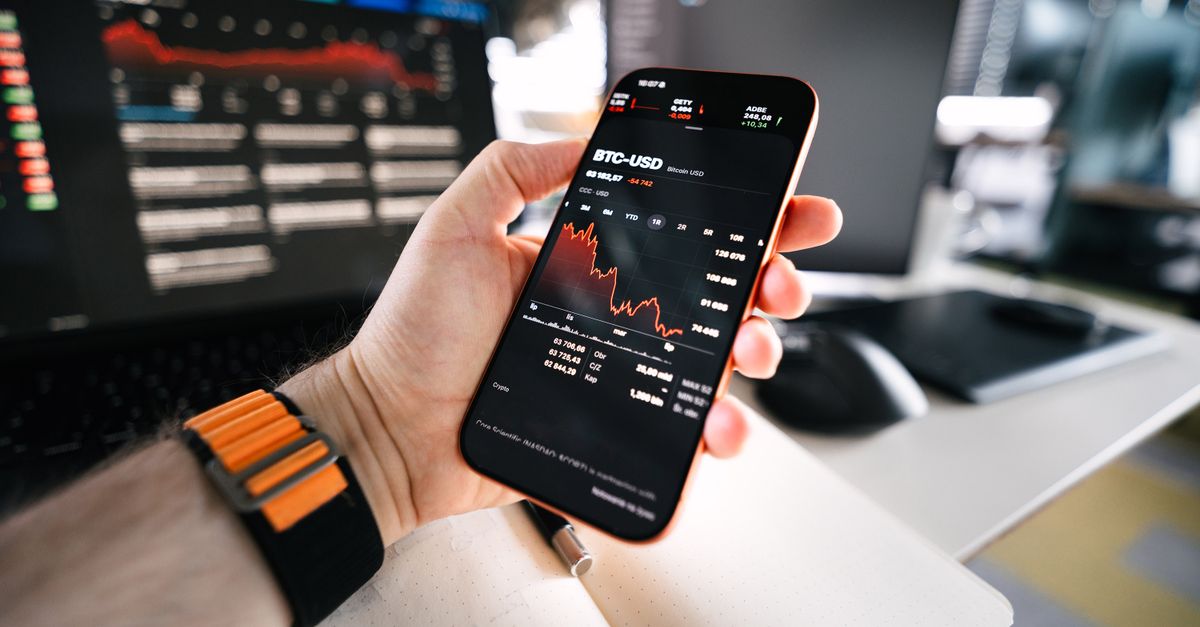
Discover why personal finance apps often fail beginners and learn the 'Behavioral Integration' strategy for lasting financial control and insights.
I’ve seen countless people download a shiny new personal finance app, brimming with hope to finally get their money in order, only to abandon it within a few weeks. In my experience, the problem isn’t the apps themselves, or a lack of motivation. It’s a fundamental misunderstanding of how these tools are designed to be used and, more importantly, how human behavior actually works when it comes to money. The mistake I see most often is treating a personal finance app like a magic bullet – a set-it-and-forget-it solution that will automatically fix your finances without consistent, intentional engagement. This passive approach is precisely why most beginners fail.
What changed everything for me, and for the clients I’ve guided, was shifting from a ‘data input’ mindset to a ‘behavioral integration’ strategy. It’s about more than just logging transactions; it’s about using the app as a feedback loop to understand, adjust, and ultimately master your financial habits. Think of it not as a digital accountant, but as a digital mirror reflecting your money story back to you, demanding active participation and interpretation. This nuanced approach moves beyond simple tracking and delves into understanding the psychological triggers and patterns behind your spending and saving.
Key Takeaways
- Most beginners fail because they treat finance apps as passive data tools, not active behavioral feedback systems.
- The ‘Behavioral Integration’ strategy involves consistent, intentional review and analysis of your financial data, not just input.
- Shift your focus from merely tracking expenses to understanding the ‘why’ behind your spending habits and emotional triggers.
- Implement a weekly financial ‘check-in’ routine to review transactions, categorize, and reflect on spending patterns, making adjustments as needed.
- Utilize the app’s reporting features to identify recurring patterns, set realistic goals, and celebrate small wins to reinforce positive behaviors.
The Illusion of Automation: Why ‘Set It and Forget It’ Fails
Many personal finance apps promise automation: link your accounts, and poof, all your transactions appear. This seems like a dream for busy individuals, but it’s often the first point of failure. The illusion is that automation equals understanding. In reality, simply having your transactions populate does little to change behavior. I’ve observed this countless times. A client might link all their credit cards and bank accounts to an app like Mint or YNAB, feel a surge of initial progress, but then quickly become overwhelmed by uncategorized transactions or generic labels. The crucial step of reviewing and actively categorizing – the very act that forces you to confront your spending – is skipped.
For example, imagine a Friday night where you order takeout and then grab drinks with friends. An automated system might label these as ‘Food & Dining’ or ‘Restaurants.’ While technically correct, this broad categorization obscures the behavioral truth. Was the takeout a planned convenience or an impulsive decision born of fatigue? Were the drinks a budgeted social outing or an emotional response to a stressful week? Without actively engaging with each transaction, these nuances are lost. You’re simply feeding data into a black box without extracting any actionable intelligence. You haven’t truly engaged with your money, only observed it from a distance.
In my own journey, I learned this the hard way. For months, I let my app auto-categorize, thinking I was being efficient. But when I finally sat down to review, I found myself shocked by how much I’d spent on ‘Miscellaneous’ items – a category so vague it offered zero insight. It was only when I forced myself to rename, refine, and reconsider each transaction that I started to see the patterns that were genuinely undermining my financial goals. The app didn’t fail me; my passive use of its automation did.
The Behavioral Integration Strategy: Active Engagement is Key
The ‘Behavioral Integration’ strategy flips the script. Instead of being a passive recipient of data, you become an active participant in your financial narrative. This means dedicating specific time, consistently, to engage with your personal finance app. It’s not about being a human data entry clerk; it’s about being a financial detective, uncovering insights and adjusting your behavior based on the evidence.
Let me walk you through what this looks like in practice. For years, I struggled with overspending on food delivery services. My app would dutifully record ‘Uber Eats’ or ‘DoorDash,’ but it wasn’t until I started a weekly review that the pattern became undeniable. I saw that Tuesdays and Thursdays were my worst offenders, usually after long, draining workdays. This wasn’t just ‘Food & Dining’; it was ‘Emotional Spending – Tired After Work.’ Once I identified this behavioral trigger, I could proactively address it. Instead of trying to just ‘spend less on food,’ which is vague, I started meal prepping easy Tuesday/Thursday dinners on Sunday, specifically to counter that fatigue-driven impulse. My spending on delivery dropped by 60% in two months.
This level of engagement requires conscious effort. It means going beyond the default categories and creating custom ones that reflect your specific habits and aspirations. For instance, instead of just ‘Groceries,’ I have ‘Weekly Healthy Groceries’ and ‘Impulse Snack Run.’ This granularity isn’t about micromanagement; it’s about gaining clarity into the choices you’re making with your money. Without this active integration, the app remains a mere transaction ledger, not a powerful tool for behavioral change.
Establishing Your Weekly Financial Check-In Routine
The most effective way to implement Behavioral Integration is through a consistent, non-negotiable weekly financial check-in. This isn’t a marathon; it’s a focused 15-30 minute sprint to process your financial week. I personally do mine every Sunday morning. It’s become a ritual, much like my morning coffee, and it sets the tone for a financially aware week ahead. Here’s how I structure it, and how I recommend clients adopt it:
Process New Transactions (5-10 minutes): Open your personal finance app. Go through every new transaction that has pulled in from your linked accounts. Don’t just skim. Read each one. Ask yourself:
- What was this for, specifically?
- Was it a planned expense or an impulse buy?
- Does the auto-categorization accurately reflect the intent of the spending? If not, adjust it.
- Example: A $60 Amazon purchase is not just ‘Shopping.’ I drill down: was it ‘Household Supplies,’ ‘Gift for Friend,’ or ‘Random Gadget I Didn’t Need’? The more specific, the more insight.
Review Category Spending (5-10 minutes): Look at your spending across key categories for the past week. Many apps have quick overview dashboards or custom reports you can run. Pay particular attention to:
- Over-budget categories: Where did you spend more than you intended? Why?
- Unexpected expenses: Were there any surprises? How can you better anticipate these in the future (e.g., creating a sinking fund)?
- Under-budget categories: Where did you save money? Can you replicate this success?
Reflect and Adjust (5-10 minutes): This is the most critical, yet most often skipped, step. It’s where the behavioral part of ‘Behavioral Integration’ truly shines. Take a moment to genuinely reflect.
- How did your spending this week align with your financial goals (saving for a down payment, paying off debt, investing)?
- Are there any emotional triggers you can identify? Did stress lead to impulse buys? Did celebrating a win lead to overspending at a restaurant?
- Based on your review, what one small adjustment can you make for the coming week? This isn’t about drastic cuts; it’s about continuous, incremental improvement. Maybe it’s packing lunch one more day, or delaying a non-essential purchase by 24 hours.
By consistently performing this weekly routine, you transform your personal finance app from a static record-keeper into a dynamic coaching tool. You start to see yourself not as someone being tracked, but as someone actively managing and improving their financial well-being.
Beyond the Budget: Leveraging Reporting for Deeper Insights
Most beginners focus solely on the ‘budget’ feature of personal finance apps, trying to fit their spending into predefined boxes. While budgeting is important, the real power of these apps, especially for behavioral integration, lies in their reporting and trend analysis capabilities. I’ve found that true financial clarity comes from identifying overarching patterns, not just individual overspends.
Consider this scenario: For months, a client of mine felt like they were constantly battling their ‘Entertainment’ budget. Every month, they’d exceed it. Traditional advice would be, ‘Cut back on entertainment.’ But by leveraging the app’s custom reports, we dug deeper. We found that the majority of ‘entertainment’ spending wasn’t on big concerts or expensive nights out, but on small, frequent purchases of video games and streaming subscriptions. The total was high, but the individual items felt insignificant, making them easy to justify.
The insight wasn’t to cut entertainment entirely, but to recognize the cumulative effect of seemingly small, habitual purchases. The new strategy wasn’t about deprivation, but about intentionality: setting a strict limit on new digital entertainment purchases each month and actively canceling one unused streaming service. Within three months, their ‘Entertainment’ spending was not only within budget, but they felt more satisfied because the remaining spending was on experiences they truly valued.
This kind of insight is impossible if you’re not actively extracting and analyzing the data. Don’t just look at the numbers; ask what story they’re telling. Export your data into a spreadsheet if needed, or use the app’s custom filters to look at spending by merchant, day of the week, or even custom tags you create (e.g., #StressBuy, #PlannedTreat). The more you interrogate your data, the more it will reveal about your financial psychology.
The Power of Small Wins and Positive Reinforcement
One of the biggest reasons people abandon personal finance apps is that they focus exclusively on what’s ‘wrong’ – the overspends, the missed savings goals, the debt. This negative reinforcement is demotivating and makes the app feel like a punitive tool. The Behavioral Integration strategy emphasizes the importance of acknowledging and celebrating small wins to build momentum and create a positive feedback loop.
In my experience, even small achievements can have a disproportionately large impact on motivation. Did you stick to your grocery budget this week? That’s a win! Did you resist an impulse purchase you usually make? Celebrate it! Your app can help you track these. Many have goal-tracking features that allow you to see progress bars fill up. Use them. If your app doesn’t have a direct ‘celebration’ feature, simply jot down your wins in a separate note, or even in the transaction notes themselves. Seeing a string of positive decisions reinforces the idea that you can control your money.
When I first started seriously engaging with my finances, I set an absurdly small goal: save $50 into a specific sinking fund for a new pair of running shoes. It felt trivial at the time, but every time I logged a transfer, I saw that little progress bar move. When I finally bought those shoes, feeling zero guilt because the money was intentionally saved, it was a profound moment of empowerment. That small win snowballed into larger savings goals and a more disciplined approach to my entire financial life. Without recognizing those early, incremental successes, it’s easy to get discouraged and give up. Your finance app, when used intentionally, can be a powerful cheerleader on your journey.
The Iterative Nature of Financial Mastery
Finally, understand that financial mastery is not a destination; it’s an iterative process. Your personal finance app is a living tool that should evolve with you. Your spending habits will change, your income will fluctuate, and your goals will shift over time. The app is there to help you navigate these changes, not to trap you in a static budget from months ago.
I’ve found that quarterly reviews are incredibly beneficial for recalibrating. Every three months, I’ll take a deeper dive. I’ll look at seasonal spending (holiday gifts, summer vacations). I’ll re-evaluate my overall budget categories to see if they still make sense. Perhaps a category like ‘Eating Out’ needs to be split into ‘Quick Lunch’ and ‘Date Night’ for more precise tracking, or maybe a new ‘Home Improvement’ fund needs to be added as priorities shift. This flexibility is crucial. A rigid system is a brittle system, prone to breaking. A flexible, iterative system adapts and endures.
Embrace the idea that your financial life, and your use of your personal finance app, is a continuous experiment. Test new strategies. Observe the results. Adjust your approach. This mindset of continuous learning and adaptation, facilitated by the data and insights from your app, is the true path to lasting financial control and peace of mind. It’s not about perfection, but about consistent, intentional progress.
Frequently Asked Questions
Q: What’s the biggest mistake beginners make with personal finance apps?
A: The biggest mistake is passive engagement. Many beginners treat the app as a magical tool that will automatically fix their finances by simply linking accounts. They fail to actively review transactions, customize categories, and reflect on their spending behavior, leading to a lack of meaningful insights and eventual abandonment.
Q: How often should I review my finances in the app?
A: I recommend a weekly financial check-in, typically 15-30 minutes long. This consistent routine allows you to process new transactions, review spending patterns, and make small, actionable adjustments without feeling overwhelmed. A deeper, more comprehensive review can be done quarterly to adjust for larger trends or shifting goals.
Q: Should I use the app’s default categories or create my own?
A: While default categories are a starting point, I strongly advocate for creating custom categories that truly reflect your spending habits and intentions. For example, instead of just ‘Shopping,’ differentiate between ‘Clothing (Needs)’, ‘Clothing (Wants)’, ‘Household Essentials,’ and ‘Impulse Buys.’ This granularity provides much richer behavioral insights.
Q: My budget always feels restrictive. How can the app help with this?
A: Instead of focusing on strict limits, use the app to understand why you feel restricted. Leverage reporting features to identify patterns – are you overspending due to specific emotional triggers, or is your budget simply unrealistic? The app’s role is to provide a mirror, not just a ruler. Adjust your budget based on real-world data and focus on intentional spending rather than pure deprivation. Celebrate small wins to build positive reinforcement.
Q: I’m overwhelmed by too many transactions. How do I simplify?
A: Start small. Focus on one or two main accounts first (e.g., your primary checking and one credit card). Don’t try to categorize everything perfectly from day one. During your weekly check-in, prioritize the largest transactions and those in categories where you want to gain the most insight. Over time, as you build the habit, you can expand your focus. Remember, consistency in small steps is more effective than sporadic perfection.
By embracing the ‘Behavioral Integration’ strategy, you turn your personal finance app into a powerful ally, not just a data entry chore. It’s about leveraging technology to understand yourself better and make truly informed decisions that propel you towards your financial aspirations.
Written By
Daniel Kim
Home & Finance Management
A retired librarian and lifelong learner, he brings a meticulously researched approach to everyday self-sufficiency and financial planning.
Borrowing History — Also Checked Out
Why Most Beginners Fail at Personal Finance Apps (And The Intentional Engagement Strategy That Actually Works)
Finance
Why Most Personal Finance Gurus Miss the Mark (And What Actually Builds Wealth)
Finance
Why Most Financial Podcasts Fail You (And What Actually Builds Real Money Intelligence)
Finance