Why Most Beginners Fail at Mastering Their New Air Purifier (And The Layered Approach That Actually Works)
Discover why basic air purifier setups fail and how a layered approach to placement and settings truly optimizes your indoor air quality.
You just bought a brand new air purifier, excited to banish pet dander, pollen, and lingering cooking odors from your home. You unbox it, plug it in, maybe even set it on ‘auto,’ and then… nothing. Or, more accurately, you still find yourself sneezing, noticing that faint cooking smell, or just not experiencing the crisp, clean air you were promised. It’s a frustrating scenario I’ve seen countless times, both in my own home and with friends who’ve invested in these devices. The truth is, most beginners approach air purification with a ‘set it and forget it’ mentality, treating it like a glorified fan. This singular focus on simply having the device running is precisely why they fail to truly master their air purifier’s potential.
The real secret to unlocking consistently clean indoor air isn’t just buying a good unit; it’s adopting a layered approach to how you deploy and manage it. This isn’t about complex engineering, but rather a strategic understanding of airflow, filter maintenance, and anticipating your home’s unique air quality challenges. In my experience, once you move beyond basic placement and embrace a more intentional system, your air purifier transforms from a passive appliance into a powerful guardian of your home’s atmosphere.
Key Takeaways
- Most beginners fail to optimize air purifiers by treating them as ‘set-and-forget’ devices, overlooking crucial environmental factors.
- Strategic placement, not just having a unit, is paramount: consider room size, pollutant sources, and unobstructed airflow.
- Regular, proactive filter maintenance beyond manufacturer guidelines ensures peak performance and extends the unit’s lifespan.
- Integrating an air purifier with smart home devices can provide actionable data for dynamic, responsive air quality management.
The Fundamental Flaw: Assuming ‘Anywhere’ is ‘Everywhere’
The biggest misconception I encounter with new air purifier owners is the belief that placing the unit anywhere in a room will effectively purify the entire space. It’s like trying to cool a large room with a tiny desk fan pointed randomly. Air purification, at its core, is about moving air through a filter, and that movement is highly dependent on environmental factors. I learned this the hard way in my first apartment, a dusty old place with poor ventilation.
I bought a sleek, modern air purifier, placed it proudly in the corner of my living room, and waited for miracles. Days turned into weeks, and while the air directly around the unit felt a bit fresher, the far side of the room, especially near the perpetually shedding cat, remained a haven for allergens. The problem wasn’t the purifier itself; it was my lack of strategic placement.
What actually works: Think of your air purifier as a vacuum cleaner for the air. You wouldn’t vacuum your entire house from a single spot, would you? Similarly, a single air purifier, especially a smaller unit, has a limited ‘reach.’ Instead of random placement, consider these factors:
- Room Size and CADR: Every air purifier has a Clean Air Delivery Rate (CADR), which indicates how quickly it cleans a room of a certain size. Ensure your unit’s CADR is appropriate for the square footage of your room. Placing an undersized unit in an open-concept living space is a losing battle.
- Pollutant Hotspots: Identify where pollutants are generated or concentrated. Is it the kitchen (cooking odors), the bedroom (dust mites, pet dander), or near a window (pollen)? Place the purifier closer to these sources. For instance, I now have a dedicated unit near my cat’s favorite napping spot in the bedroom, and a larger one in the kitchen that runs on a timer during and after cooking.
- Airflow Obstructions: Many purifiers draw air from all sides or from the front/back. Don’t push them flush against a wall, behind furniture, or in a tight corner. Give them at least a few feet of clear space for optimal air intake and outflow. My first mistake was literally cornering my unit; now, it sits centrally on an open table, allowing for 360-degree circulation.
- Bedroom Specifics: For bedrooms, aim for placement roughly 6-10 feet from your head. Too close, and the noise can be disruptive; too far, and it’s less effective at creating a clean ‘bubble’ around your sleeping area.
By intentionally considering these elements, you immediately upgrade your air purification strategy from passive hope to active deployment. It’s not about making the purifier work harder, but smarter.
The ‘Auto Mode’ Trap: Why Passive Settings Aren’t Always Optimal
Modern air purifiers often come with an ‘auto mode’ that uses sensors to detect air quality and adjust fan speed accordingly. While this sounds convenient, relying solely on it is another reason beginners miss out on true air quality control. In my experience, auto mode is a good baseline, but it’s rarely the optimal setting for every situation.
I used to leave my living room purifier on auto, assuming it would magically handle everything. Then, one evening, I was cooking a particularly fragrant curry. The auto mode kicked in, sure, but it felt like it was playing catch-up, slowly ramping up the fan speed after the smell had already started to permeate the house. By the time it hit maximum, the curry scent was already ingrained in the upholstery. The problem was the reactive nature of auto mode; it waits for a problem to appear before acting.
What actually works: Move from reactive to proactive air management. This involves understanding your home’s rhythms and manually intervening when necessary:
- Scheduled Boosts for Predictable Pollutants: Do you always cook dinner around 6 PM? Schedule your kitchen purifier to run on a high setting from 5:45 PM to 7 PM. Do allergies peak when you first wake up? Set your bedroom purifier to run on high for an hour before your alarm. Most smart purifiers or smart plugs allow for simple scheduling.
- High Settings for High-Impact Tasks: Don’t wait for auto mode to detect paint fumes, pet dander after vigorous play, or significant dust from cleaning. Manually crank the purifier to its highest setting during and immediately after these activities. A quick burst of high-power cleaning is far more effective than a prolonged, lower-intensity auto cycle.
- Quiet Modes for Sustained Cleaning: For bedrooms or offices, where noise is a concern, a dedicated ‘sleep mode’ or lowest setting is crucial for continuous background cleaning. Even at a low speed, a purifier running 24/7 is more effective than one that only occasionally ramps up. I’ve found that a consistent, low hum is far less disruptive than an auto mode that frequently changes speeds.
- Sensor Calibration and Understanding: Know what your purifier’s sensors are actually detecting. Is it VOCs (Volatile Organic Compounds), PM2.5 (particulate matter), or just a generic ‘air quality’ metric? Different purifiers prioritize different pollutants. If you’re primarily concerned with pet dander, a unit strong on PM2.5 detection is key.
By being intentional with your settings and anticipating pollution events, you prevent issues rather than just reacting to them. This proactive stance is a game-changer for maintaining truly clean air.
The Overlooked Lifeline: Inadequate Filter Maintenance
This is perhaps the most common and damaging mistake beginners make. They assume a filter replacement every 6-12 months, as vaguely suggested by the manufacturer, is sufficient. This passive approach often leads to severely compromised performance and a shorter lifespan for the unit itself. I once thought my purifier was dying because it suddenly seemed ineffective, only to realize the pre-filter was so caked with dust it looked like a felt blanket.
Ignoring filter maintenance is like driving a car for years without an oil change. The engine will eventually seize. For an air purifier, clogged filters mean the fan has to work harder, consuming more energy, making more noise, and drastically reducing its ability to capture pollutants. It’s a lose-lose scenario.
What actually works: Adopt a proactive, condition-based filter maintenance schedule. This means going beyond the generic timeline and responding to the real-world conditions of your home:
- Weekly Pre-Filter Check (and Clean): Most purifiers have a washable pre-filter designed to capture larger particles (dust, hair, lint). This is your first line of defense. Check it weekly and vacuum or rinse it as needed. In my home with two pets, I clean my pre-filters every 7-10 days without fail. This alone significantly extends the life of the more expensive HEPA and carbon filters.
- Monitor Filter Indicator Lights (But Don’t Blindly Trust Them): These lights are helpful, but they’re often based on run time, not actual filter saturation. If you live in a particularly dusty area, have pets, or cook frequently, your filters will likely need changing before the light comes on. Conversely, if your air is relatively clean, you might get more life out of them.
- Visual Inspection and Smell Test: Physically inspect your HEPA filter. Is it turning grey or brown? Hold it up to a light source; if you can’t see much light through it, it’s definitely time. For carbon filters, a noticeable increase in odors after running the purifier is a clear sign it’s exhausted.
- Stock Up on Replacements: Always have a spare set of filters on hand. There’s nothing worse than realizing you need a new filter and having to wait days for shipping, during which your air quality suffers. I purchase my filters in bulk when they’re on sale.
- Consider Filter Type and Lifespan: Not all filters are created equal. Some purifiers use combined filters, others separate ones. Understand the recommended lifespan for each filter type in your unit and plan accordingly. HEPA filters typically last 6-12 months, while carbon filters for odor removal may need more frequent changes if you’re battling strong smells.
This meticulous approach to filter care isn’t just about maximizing air quality; it’s about protecting your investment and ensuring your purifier runs efficiently for years to come. It’s the difference between merely owning an air purifier and truly mastering its function.
The Connectivity Conundrum: Beyond Basic App Control
Many modern air purifiers come with Wi-Fi connectivity and a companion app. For beginners, this often means basic remote control and perhaps a glance at the air quality graph. However, the true power of these connected devices lies in their ability to integrate into a broader smart home ecosystem and offer deeper insights, a potential most beginners barely scratch.
Initially, I used my purifier’s app only to turn it on or off from the couch. It was convenient, but I wasn’t leveraging its full potential. The realization came when I integrated it with my home’s environmental sensors and smart routines. This shifted my perspective from simply operating the device to dynamically managing my home’s entire atmosphere.
What actually works: Harness the power of integration and advanced data interpretation to create a responsive, automated clean air environment:
- Integrate with Smart Home Platforms: Connect your air purifier to platforms like Google Home, Amazon Alexa, or Apple HomeKit. This allows for voice control and, more importantly, automation routines. For example, my purifiers now automatically turn on when my smart thermostat detects I’m heading home, ensuring fresh air greets me. My kitchen purifier can be linked to my smart stove so it automatically ramps up when cooking starts.
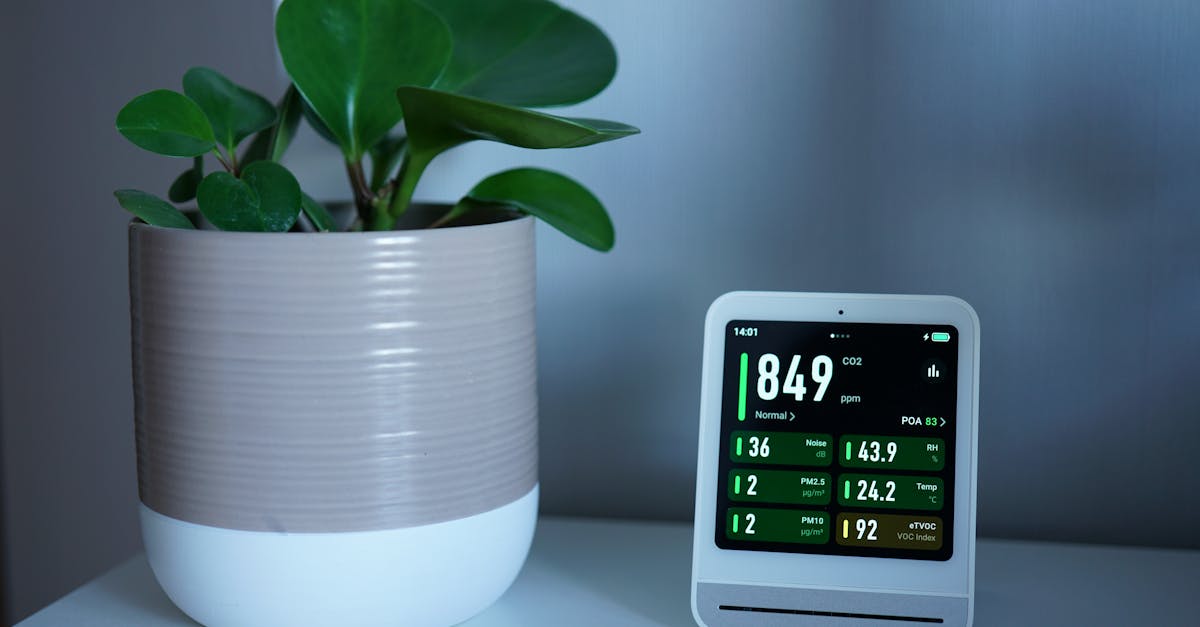
- Leverage External Air Quality Monitors: While built-in sensors are good, a dedicated, external air quality monitor placed across the room or in a different area can provide more granular, localized data. Use this data to inform your purifier’s settings. For instance, if the external monitor shows high VOCs in the kids’ play area (where art projects happen), I know to manually boost the nearby purifier, even if the purifier’s own sensor hasn’t fully reacted yet.
- Analyze Historical Data: Most apps provide historical data on air quality. Don’t just glance at the current reading; review trends. Do PM2.5 levels consistently spike at a certain time of day? Does pollen ingress occur primarily when a specific window is open? This data helps refine your scheduled boosts and filter maintenance.
- Automate Filter Reminders: Beyond the built-in light, set calendar reminders based on your observed filter degradation. Use the app’s data to adjust these reminders – if your air quality is consistently poor, shorten the reminder interval.
- Experiment with ‘IFTTT’ (If This Then That) Rules: For advanced users, IFTTT can create powerful custom automations. Imagine: “If the outdoor air quality report for my area shows high pollen, then set my bedroom purifier to high mode.” This level of anticipatory automation takes air purification to a truly mastered level.
By moving beyond basic app control, you transform your air purifier from an isolated appliance into an intelligent component of a holistic clean-home strategy. This is where true mastery of your new air purifier begins.
Frequently Asked Questions
How often should I run my air purifier?
For optimal indoor air quality, you should aim to run your air purifier as much as possible, ideally 24/7. Continuous operation ensures that the air is constantly being circulated and filtered, preventing pollutants from accumulating. If noise is a concern, use a lower, quieter setting, especially in bedrooms or living areas, but maintain consistent operation.
Can one air purifier clean my entire house?
No, generally not. A single air purifier is designed to effectively clean the air in a specific room or open-concept area based on its Clean Air Delivery Rate (CADR). For a whole house, you would need multiple purifiers strategically placed in different rooms, or a whole-house filtration system integrated with your HVAC. Attempting to use one unit for an entire house will lead to insufficient air changes and poor overall air quality.
Where is the best place to put an air purifier in a room?
The best placement is typically in an area with good air circulation, away from walls or furniture that might obstruct airflow to the intake and outflow vents. Placing it near major sources of pollution (e.g., kitchen for cooking fumes, bedroom near pets for dander) is also highly effective. For bedrooms, aim for a spot 6-10 feet from your bed to balance effectiveness and minimize noise disruption during sleep.
Why does my air purifier not seem to be working?
There are several common reasons: improper placement (obstructed airflow, too far from pollutant sources), an undersized unit for the room (low CADR), clogged or old filters that need cleaning or replacement, incorrect settings (e.g., low fan speed when a higher one is needed), or a malfunctioning sensor if you’re relying on auto mode. Review your setup, maintenance, and settings before assuming the unit is faulty.
How often should I clean or replace my air purifier filters?
This depends on your specific unit and home environment. Washable pre-filters should be checked and cleaned weekly or bi-weekly. HEPA filters typically need replacement every 6-12 months, but heavy use or high pollution can shorten this. Carbon filters for odors may need replacement every 3-6 months. Always consult your manufacturer’s guidelines, but also visually inspect filters and adjust your schedule based on your home’s actual air quality and usage to maintain peak performance.
Conclusion
Mastering your air purifier isn’t about buying the most expensive model or simply turning it on. It’s about cultivating an intentional, layered approach to clean air in your home. By understanding the nuances of placement, proactively managing settings, meticulously maintaining your filters, and leveraging smart home connectivity, you transform your air purifier from a well-intentioned but often underperforming appliance into an integral part of a healthy living environment. Don’t settle for ‘good enough’ air; take these steps to truly breathe easier, every single day.
Written By
Sophia Rodriguez
Health & Wellness
A nutritionist and former chef, Sophia translates scientific wellness into accessible, enjoyable daily practices.
Borrowing History — Also Checked Out
A Practical Checklist for Choosing a Home Security System That Actually Works
Lifestyle
A Practical Checklist for Auditing Your Home Router for Security Weaknesses
Lifestyle
A Practical Checklist for Choosing a Travel Backpack That Delivers Real Comfort and Durability
Lifestyle