Why Most Beginners Fail at Mastering Their New Air Purifier (And The Layered Approach That Actually Works)
Discover why basic air purifier setups fall short and how a layered approach ensures truly clean air for your home, not just temporary relief.
You just invested in a sleek new air purifier, hoping to finally tackle that persistent dust, lingering pet odors, or seasonal allergies. You unboxed it, plugged it in, hit ‘auto mode,’ and… wait. A few weeks in, you’re still sneezing, the room still feels a bit stuffy, and that ‘fresh’ scent is nowhere to be found. Sound familiar? I’ve been there too. The mistake I see most often is treating an air purifier like a ‘set it and forget it’ appliance. The truth is, without a layered approach to placement, maintenance, and understanding your home’s unique airflow, that expensive new gadget is likely doing little more than circulating air inefficiently.
I’ve spent years researching and experimenting with indoor air quality, driven by my own family’s struggles with allergies and a persistent feeling of stagnation in our home. What changed everything for me wasn’t buying a fancier model, but completely rethinking how I integrated air purification into my living space. It’s not just about the device itself; it’s about creating an ecosystem where it can truly thrive and deliver on its promise of cleaner air. This isn’t about buying more gadgets; it’s about making your current investment actually work.
Key Takeaways
- Your air purifier’s effectiveness hinges on strategic placement, not just turning it on.
- Relying solely on ‘auto mode’ often means missing crucial air quality improvements.
- Overlooking routine filter maintenance drastically reduces your purifier’s lifespan and performance.
- Integrating the purifier into your home’s natural airflow patterns maximizes its cleaning power.
The “Set It and Forget It” Fallacy: Why Auto Mode Isn’t Always Your Friend
When I first got my air purifier, I, like many, assumed ‘auto mode’ was the pinnacle of smart technology. The machine would detect pollutants and adjust accordingly, right? In theory, yes. In practice, this often leads to subpar performance. Most air purifiers use a particle sensor to detect airborne contaminants. While these sensors are good, they aren’t perfect. They might be located in a specific spot on the unit, meaning they’re only sampling the air immediately around them, not necessarily the air in the farthest corner of your large living room.
My experience taught me that relying solely on auto mode often means the purifier operates at a lower, quieter setting for extended periods, only ramping up when a significant spike in pollutants occurs. Think about it: if your purifier kicks into high gear only when you’re cooking bacon or burning toast, it’s missing all the subtle, chronic pollutants like pet dander, dust mite allergens, or off-gassing from furniture that accumulate slowly. What changed everything for me was adopting a more manual, intentional approach. I learned to run my purifiers on a medium-to-high setting during peak hours (e.g., mornings when pets are active, evenings before bed, or during allergy season) and only switch to a lower, quieter setting during off-peak times. This proactive strategy ensures a consistent, high rate of air turnover, dramatically reducing the overall pollutant load, rather than just reacting to acute events.
Consider this: a typical small bedroom (10x12 feet) with an 8-foot ceiling contains about 960 cubic feet of air. If your purifier has a CADR (Clean Air Delivery Rate) of 100 CFM (Cubic Feet per Minute) on its highest setting, it can theoretically clean the air in that room about 6 times an hour. But on a low ‘auto’ setting, that CADR might drop to 30 CFM, meaning it cleans the air only 1.8 times an hour – a significant difference. Don’t be afraid to take control and push your purifier to work harder when it matters most; it’s designed to do so, and your lungs will thank you.
The Invisible Barrier: Why Poor Placement Sabotages Performance
One of the most overlooked aspects of effective air purification is placement. I used to tuck my purifier discreetly in a corner, thinking it would blend in. The result? Minimal impact. An air purifier isn’t a decorative lamp; it’s a hardworking machine that needs strategic positioning to draw in dirty air and expel clean air efficiently. Placing it against a wall or in a cramped corner severely restricts airflow, forcing the unit to work harder to clean a smaller, localized area.
What actually works is to position your air purifier in the center of the room or in an open area, away from walls, furniture, or curtains by at least 1-2 feet on all sides. This allows for unobstructed 360-degree air intake and output, maximizing its reach across the entire space. Even better, consider placing it near the source of common pollutants. For example, in the bedroom, near the bed where dust mites and pet dander are abundant. In the living room, perhaps closer to a high-traffic area or a pet’s favorite spot. When I moved my main living room purifier from a corner nook to a more central location, I noticed a palpable difference in air freshness within days, and the dust accumulation on surfaces noticeably decreased.
For larger, open-concept spaces, one purifier might not be enough. In my experience, two smaller purifiers placed strategically at opposite ends of a large room often outperform a single, powerful unit struggling to reach every corner. It’s about optimizing the path air takes through your filters, not just the filter’s capacity.
The Hidden Cost of Neglect: Why Filter Maintenance is Non-Negotiable
This might seem obvious, but I’ve personally been guilty of pushing filter replacements beyond their recommended lifespan, especially when busy. The truth is, a dirty filter is not just inefficient; it can actively harm your air quality and the purifier itself. A clogged HEPA filter restricts airflow, forcing the motor to work harder, which can lead to overheating and premature failure. More critically, a filter saturated with pollutants can become a breeding ground for bacteria and mold, potentially re-releasing contaminants back into your air. Imagine trying to filter water through a muddy sieve – it just doesn’t work.
What changed everything for me was creating a strict, calendared schedule for filter checks and replacements. Most manufacturers provide guidelines (e.g., HEPA filters every 6-12 months, pre-filters every 2-4 weeks, carbon filters every 3-6 months). I recommend checking your pre-filter (the first line of defense against large particles like dust and pet hair) more frequently than suggested, especially if you have pets or live in a dusty environment. A quick vacuum or rinse of the pre-filter can significantly extend the life of your more expensive HEPA and carbon filters. I even keep a spare set of filters on hand, so I’m never caught off guard.
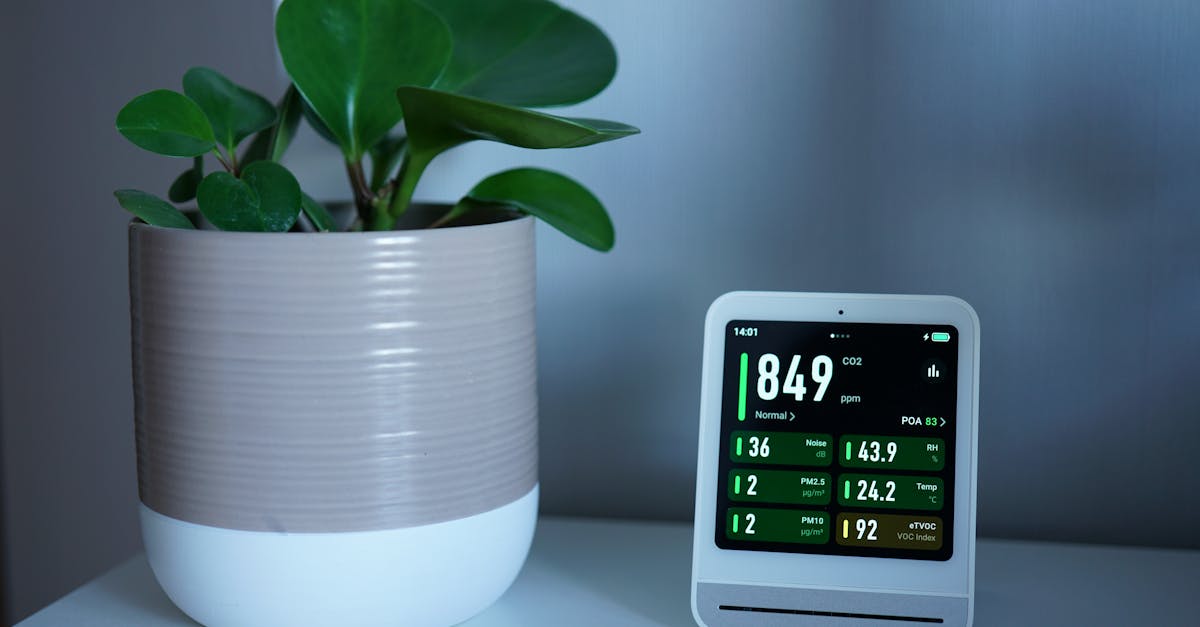
My indoor air quality monitor readings plummeted when I neglected filter changes. Once I started replacing them proactively, not reactively, the air quality improved demonstrably, and my allergy symptoms lessened. Don’t underestimate the power of a clean, functional filter – it’s the heart of your air purification system.
Beyond the Room: Integrating Air Purification with Home Airflow Dynamics
Many beginners think about air purification on a room-by-room basis, but your home’s overall airflow plays a massive role in how effectively a purifier performs. In my older home, I learned that simply putting a purifier in a bedroom wasn’t enough if the rest of the house was a source of constant pollutants. Understanding how air moves (or doesn’t move) through your home is key to a truly effective purification strategy.
What actually works is to consider your home as an interconnected system. If you have a central HVAC system, using high-quality MERV 11-13 filters and running your fan for short periods each hour can significantly improve overall air circulation and filtration, complementing your room-specific purifiers. I also learned to strategically place purifiers near doorways or at the end of hallways to encourage clean air to flow into adjacent spaces. For example, placing a purifier in a slightly-open doorway can create a clean air ‘current’ that gently pushes cleaner air into an adjoining room, while drawing dirtier air towards the purifier.
During allergy season, I even experiment with closing doors to smaller rooms to allow a purifier to more intensively clean that specific space before opening doors to allow for cross-ventilation. This layered strategy—combining individual purifiers with smart HVAC usage and understanding natural convection—transforms air purification from a single device’s effort into a holistic home air quality management system. The goal isn’t just to clean the air around the purifier; it’s to clean the air your family breathes throughout the entire living space, consistently and efficiently. It’s a nuanced approach that took me time to master, but the results in terms of consistent air quality have been undeniable.
Frequently Asked Questions
Q: How many air purifiers do I need for my home?
A: It depends on your home’s size and layout. For most, one purifier per common living area (living room, master bedroom, main hallway) is a good start. For larger open-concept spaces or homes with specific pollutant sources (pets, smokers), two smaller purifiers or strategically moving a single unit can be more effective than one large unit.
Q: Should I run my air purifier 24/7?
A: Ideally, yes, especially if you have allergies, pets, or live in an area with poor outdoor air quality. Running it continuously, even on a low setting, ensures constant air filtration. If noise is an issue, consider running it on higher settings when you’re not in the room or during the day, then lowering it at night.
Q: What’s the most important filter to maintain?
A: The pre-filter. It captures the largest particles and protects your more expensive HEPA filter. Regularly vacuuming or rinsing your pre-filter (if washable) can significantly extend the life and efficiency of the entire unit. Neglecting it quickly clogs the entire system.
Q: Can an air purifier help with strong odors like cooking or pet smells?
A: Yes, but primarily if it includes an activated carbon filter, which is designed to absorb gases and odors. HEPA filters are for particles. For best results with odors, ensure your unit has a substantial activated carbon filter and run it on a higher setting near the odor source.
Q: Where is the absolute best place to put an air purifier?
A: For optimal performance, place it in an open area of the room, at least 1-2 feet away from walls, furniture, and curtains. This allows for unrestricted 360-degree airflow intake and output, maximizing its cleaning radius. Placing it near a known pollutant source (like a pet bed or high-traffic entryway) can further enhance its effectiveness.
Conclusion
Mastering your air purifier goes far beyond simply plugging it in and hoping for the best. It’s about understanding its mechanics, optimizing its placement, staying vigilant with maintenance, and integrating it intelligently into your home’s unique environment. My journey taught me that a proactive, layered approach—moving beyond ‘auto mode’ and thinking critically about airflow—is what truly transforms an air purifier from a dusty gadget into a powerful ally for cleaner, healthier indoor air. Don’t let your investment fall short; take these steps to breathe easier and truly enjoy the benefits you sought in the first place.
Written By
Daniel Kim
Home & Finance Management
A retired librarian and lifelong learner, he brings a meticulously researched approach to everyday self-sufficiency and financial planning.
Borrowing History — Also Checked Out
A Practical Checklist for Choosing a Home Security System That Actually Works
Lifestyle
A Practical Checklist for Auditing Your Home Router for Security Weaknesses
Lifestyle
A Practical Checklist for Choosing a Travel Backpack That Delivers Real Comfort and Durability
Lifestyle