Digital Banking Versus Traditional Banking: Which Safeguards Your Financial Privacy More Effectively?
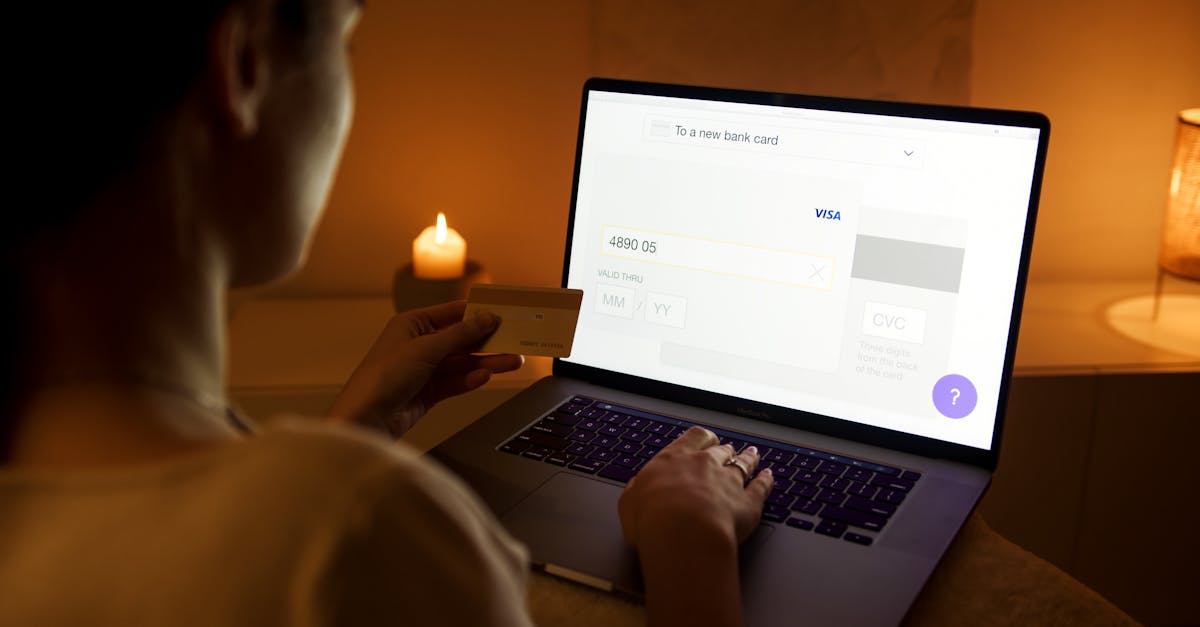
Explore the privacy protections of digital banks versus traditional banks. Discover which option truly secures your financial data from modern threats.
When I first started managing my own money in earnest, the options felt simple: a local branch, an ATM, and perhaps a basic online portal. Today, the landscape is radically different. We’re bombarded with flashy digital-only banks promising seamless experiences and high-yield savings, while traditional banks scramble to modernize their offerings. On the surface, digital banking feels more private, less exposed to human error or physical theft. Yet, is that really the case? My experience has shown me that the truth about financial privacy in the digital age is far more nuanced than most people realize. It’s not just about what’s advertised; it’s about understanding the underlying security architectures, the regulatory environments, and crucially, your own habits.
I’ve spent years delving into the intricacies of financial systems, both old and new. The mistake I see most often is a blanket assumption: either that traditional banks are inherently safer because they have physical branches, or that digital banks are impenetrable fortresses because they’re built on cutting-edge tech. Both assumptions are flawed. What changed everything for me was realizing that true financial privacy isn’t about choosing one over the other blindly; it’s about understanding the specific vulnerabilities and strengths of each, and then consciously building a layered defense that suits your personal risk profile.
Consider Sarah, a client I worked with. She switched to a digital-only bank, convinced it was more secure after a phishing attempt targeted her traditional bank account. A few months later, her new digital bank account was compromised through a SIM-swapping attack – a type of identity theft where criminals gain control of your phone number. Sarah learned the hard way that a strong digital front-end means little if the foundational identity verification and mobile carrier security are weak. This isn’t to say digital banks are bad, but to illustrate that the nature of threats shifts with the technology. What works for one type of risk may expose you to another.
Key Takeaways
- Digital banks often centralize data, making them appealing targets for large-scale cyberattacks, despite advanced encryption.
- Traditional banks face insider threats and physical security risks, but their distributed infrastructure can offer resilience.
- Your personal financial privacy hinges heavily on adopting strong individual security practices, regardless of your bank type.
- Regulatory compliance, while not a guarantee, provides a foundational layer of protection for both digital and traditional institutions.
Digital Banks: Centralized Targets and Advanced Defenses
Digital-only banks, by their very nature, are entirely dependent on their technological infrastructure. This means they often invest heavily in state-of-the-art cybersecurity measures, including multi-factor authentication, advanced encryption protocols, and real-time fraud detection. They are designed from the ground up to operate in a digital environment, free from the legacy systems that can sometimes plague traditional institutions. This specialized focus can lead to superior technical defenses against specific types of cyber threats.
However, this singular focus also presents a unique vulnerability: centralization. When all of a bank’s operations, data, and customer interactions occur within a consolidated digital ecosystem, a successful breach can yield a treasure trove for cybercriminals. Imagine a sophisticated hacker gaining access to a central server that holds the personal and financial data of millions of customers. While individual transactions might be protected by strong encryption, the sheer volume of data at stake makes these platforms appealing targets for highly coordinated and advanced persistent threats (APTs).
In my experience, digital banks excel at what I call ‘perimeter defense’ – the technological walls they build around their systems. They often deploy AI-driven behavioral analytics to flag suspicious activity, and many offer instant notifications for every transaction, giving customers immediate awareness. For instance, I use a digital bank for my secondary savings, and the moment a micro-transaction hits, my phone pings. This level of transparency is excellent for detecting unauthorized activity quickly. Yet, this still places a significant burden on the user to be vigilant. If I dismiss that notification, the system can only do so much.
The critical aspect here is understanding that digital banks often leverage cloud computing. While cloud providers like Amazon Web Services or Google Cloud offer robust security features, the bank still bears the ultimate responsibility for how they configure and manage their cloud environments. A misconfigured cloud bucket or a weak API integration can create an entry point, regardless of the core cloud security. So, while their digital-first approach allows for agility and innovation in security, it also means a single point of failure can be catastrophic if not managed with extreme diligence.
Traditional Banks: Distributed Assets and Human Touchpoints
Traditional banks, with their extensive network of physical branches, ATMs, and diverse operational structures, present a different privacy landscape. Their distributed nature, paradoxically, can be both a strength and a weakness. On one hand, a single branch breach or ATM compromise is unlikely to impact the entire customer base in the same way a central server breach at a digital bank might. Data is often segmented across various systems, making a ‘one-and-done’ attack less likely to be fully catastrophic.
The primary vulnerabilities for traditional banks, in my view, lie in their physical presence and human element. Insider threats, where an employee misuses or steals data, are a constant concern, despite strict protocols and background checks. This could range from a teller looking up a celebrity’s account to a more coordinated effort to compromise customer data. Furthermore, physical documents, printouts, and even verbal interactions at a branch can introduce privacy risks that digital-only platforms largely avoid. Think of someone eavesdropping on a conversation at a busy bank counter, or discarded financial statements in a public bin near a branch. These are low-tech but effective ways to compromise privacy.
I remember a time when I inadvertently left a bank statement on the counter at my local branch. Within minutes, a vigilant bank employee discreetly handed it back to me, emphasizing the importance of securing personal information. This human intervention, while not a system-level security feature, is a tangible layer of protection that digital banks cannot replicate. They rely on you, the user, to secure your physical environment.
Moreover, the older, legacy IT systems often found in traditional banks can create additional challenges. Integrating new cybersecurity measures with decades-old infrastructure can be complex and expensive, potentially leaving gaps. While traditional banks are investing heavily in modernizing their digital channels, the sheer scale and complexity of their existing networks mean this is a continuous, often uphill, battle. Their strength lies in diversification of risk – not putting all their eggs in one digital basket – but their weakness is the increased number of human and physical touchpoints that can be exploited.
The Role of Regulation and Consumer Protection
Regardless of whether you choose a digital or traditional bank, the regulatory environment plays a crucial role in safeguarding your financial privacy. In the United States, institutions are subject to various federal laws, such as the Gramm-Leach-Bliley Act (GLBA), which requires financial institutions to explain their information-sharing practices to customers and to safeguard sensitive data. Additionally, the Federal Deposit Insurance Corporation (FDIC) provides insurance for up to $250,000 per depositor, per insured bank, in case of bank failure, offering a critical layer of trust.
Globally, regulations like the General Data Protection Regulation (GDPR) in Europe set stringent standards for data privacy and security, impacting any financial institution that serves European citizens. These regulations mandate specific data protection measures, require transparency about data handling, and often impose significant penalties for non-compliance. This means that even smaller digital banks or fintech companies operating across borders must adhere to a high baseline of privacy protection.
From my perspective, these regulations are the unsung heroes of financial privacy. While they don’t prevent every breach, they establish a legal framework that compels banks to implement robust security measures and to be accountable when things go wrong. For instance, if a bank experiences a data breach, regulations often dictate specific notification requirements, allowing customers to take protective action quickly. This is a critical piece of the trust equation. Without these safeguards, consumers would be entirely at the mercy of individual bank policies, which could vary wildly.
However, it’s important to understand that compliance is the minimum standard. A bank can be fully compliant and still experience a breach if a sophisticated threat actor finds a novel vulnerability. What matters to me is a bank’s proactive posture beyond mere compliance – their investment in threat intelligence, incident response planning, and continuous security audits. This proactive stance, whether from a digital-native startup or a century-old institution, indicates a deeper commitment to protecting customer data, going beyond what the law strictly requires.
Your Habits: The Strongest Link in Your Privacy Chain
Ultimately, the strongest link in your financial privacy chain isn’t the bank you choose, but the habits you cultivate. I’ve seen individuals with accounts at the most secure institutions fall victim to scams because of poor personal security practices, and conversely, those with less ‘cutting-edge’ banks maintain impeccable privacy through diligence. The human element, both on the bank’s side and the customer’s, remains the most vulnerable point.
Here’s what I’ve found makes the biggest difference:
- Strong, Unique Passwords and Multi-Factor Authentication (MFA): This is non-negotiable. Use a password manager and enable MFA on all your financial accounts. Most digital banks offer robust MFA options, but traditional banks also increasingly mandate it for online access. A simple SMS code for MFA, while better than nothing, is still susceptible to SIM-swapping attacks. Opt for authenticator apps or physical security keys where available.
- Vigilance Against Phishing and Social Engineering: Criminals are masters of deception. They won’t hack into your bank; they’ll trick you into giving them access. Be suspicious of unsolicited emails, calls, or texts asking for personal or financial information. Banks will never ask for your password via email. Always verify requests independently by calling the bank using a number from their official website or the back of your card, not one provided in a suspicious communication.
- Secure Mobile Device Practices: Your smartphone is now a primary gateway to your finances. Keep its operating system and apps updated, use a strong screen lock, and be cautious about connecting to public Wi-Fi without a VPN. My personal rule is to never conduct sensitive banking transactions on unsecured public Wi-Fi.
- Regular Account Monitoring: Check your bank statements and transaction history frequently, ideally daily for your primary accounts. Many digital banks offer excellent real-time alerts. This quick detection can limit damage from fraud. If something looks off, report it immediately.
- Information Diet and Digital Footprint: The less personal information you share online, the less data is available for social engineers to exploit. Be mindful of privacy settings on social media and consider what data you volunteer on various websites. A smaller digital footprint makes you a harder target.
In my own financial life, I maintain accounts with both digital and traditional banks, leveraging the strengths of each. My digital bank is excellent for real-time insights and quick transactions, while my traditional bank handles larger, less frequent operations where the option for in-person support is valuable. The key is to consciously build your own layered defense, treating each account, device, and interaction as a potential entry point for compromise.
The Unseen Implications of Data Aggregation
One aspect of financial privacy often overlooked, especially in the context of digital banking and the broader fintech ecosystem, is data aggregation. Many budgeting apps, personal finance tools, and even some digital banks encourage you to link all your financial accounts – checking, savings, credit cards, investments – into a single platform. The convenience is undeniable: a holistic view of your financial life in one place. However, this convenience comes with a significant, often unseen, privacy tradeoff.
When you link accounts, you typically grant the aggregating service access to your transaction history, balances, and sometimes even bill details. While these services promise to encrypt and anonymize your data, you are essentially consolidating all your financial information into one data repository. If that aggregator is breached, or if their internal data handling policies are lax, the implications for your privacy are severe. This is not a direct banking privacy issue, but it’s a critical component of modern financial privacy management.
I’ve seen clients embrace these tools without fully understanding the permissions they’re granting. For example, some aggregators sell anonymized data to third parties for market research. While your individual data might not be directly identifiable, aggregated patterns can still reveal significant insights about consumer behavior that can be monetized. It’s a subtle but powerful erosion of privacy.
My recommendation is to be extremely selective about which data aggregators you use, and to understand their privacy policies in detail. Ask yourself: is the convenience worth the centralized risk? Do I truly need every single account linked, or can I manage some manually? For me, I limit aggregation to services with the highest security track record and transparent privacy policies, and I often use separate, non-critical accounts for testing new aggregators. The allure of a single financial dashboard is strong, but the unseen implications of data aggregation demand a cautious approach.
Preparing for the Future of Financial Privacy
The financial landscape is constantly evolving, and with it, the challenges to our privacy. Emerging technologies like blockchain, artificial intelligence, and quantum computing will continue to reshape how our money is managed and secured. Digital banks are often at the forefront of adopting these innovations, but traditional banks are also investing heavily to keep pace. This means the battle for financial privacy will intensify, with both institutions and individuals needing to adapt continuously.
Looking ahead, I anticipate a greater focus on self-sovereign identity solutions, where individuals have more direct control over their digital identity and personal data, rather than relying solely on third-party verification. This could significantly enhance financial privacy by decentralizing identity verification, making SIM-swapping and other identity theft tactics much harder. We might also see more widespread adoption of homomorphic encryption, which allows data to be processed while remaining encrypted, offering a powerful new layer of privacy protection.
What remains constant, however, is the need for proactive engagement. As a consumer, you cannot outsource your financial privacy entirely. You must remain informed, critical, and diligent. Ask your bank (whether digital or traditional) about their specific security measures, their data handling policies, and how they protect you from emerging threats. Be skeptical of claims that sound too good to be true, and never compromise your personal security habits for convenience.
My final thought on this is that the choice between digital and traditional banking for financial privacy isn’t an either/or proposition. Both have their unique strengths and vulnerabilities. The most secure approach is to understand these differences, select institutions that align with your risk tolerance and lifestyle, and then reinforce your decision with unwavering personal cybersecurity practices. Your financial privacy is a shared responsibility, but ultimately, you are its primary guardian.
Frequently Asked Questions
Are digital banks inherently less secure than traditional banks?
Not inherently. Digital banks are built on advanced technology, often with strong encryption and multi-factor authentication, making them robust against many cyber threats. However, their centralized digital nature can make them attractive targets for sophisticated large-scale cyberattacks. Traditional banks, with distributed physical assets and legacy systems, have different vulnerabilities, including human error and insider threats, but also benefit from diversification of risk.
What are the main privacy risks with digital banks?
Digital banks’ main privacy risks include large-scale data breaches affecting their centralized databases, and vulnerabilities related to identity verification methods, such as SIM-swapping attacks. While they employ cutting-edge technology, any single point of failure in their digital infrastructure or a lapse in user vigilance can be exploited.
How do traditional banks protect my privacy differently?
Traditional banks rely on a more distributed infrastructure, with physical branches and varied systems, which can limit the impact of a single breach. They also offer a human element in security, where vigilant staff can intervene in cases of physical identity theft or forgotten documents. Their primary privacy challenges often relate to physical security, insider threats, and integrating modern cybersecurity with older, legacy IT systems.
Does FDIC insurance cover digital banks?
Yes, most legitimate digital banks in the U.S. are FDIC-insured, covering up to $250,000 per depositor, per insured bank, in the event of bank failure. This provides a crucial layer of protection, similar to traditional banks. Always verify a digital bank’s FDIC status before depositing funds.
What can I do to enhance my financial privacy, regardless of my bank?
Your personal habits are paramount. Use strong, unique passwords and multi-factor authentication (preferably authenticator apps, not SMS). Be vigilant against phishing and social engineering scams. Keep your mobile devices secure with updates and strong locks, and monitor your accounts regularly for suspicious activity. Also, be mindful of your digital footprint and limit data aggregation with third-party apps.
Written By
Daniel Kim
Home & Finance Management
A retired librarian and lifelong learner, he brings a meticulously researched approach to everyday self-sufficiency and financial planning.
Borrowing History — Also Checked Out